Trying to choose between a downtown condo and a single-family home in Stamford? You are not alone. The right choice balances commute, space, rules, and long-term costs. In this guide, you will learn the key tradeoffs, how monthly expenses add up, what to check during due diligence, and a simple decision plan to pick your best fit. Let’s dive in.
Stamford living at a glance
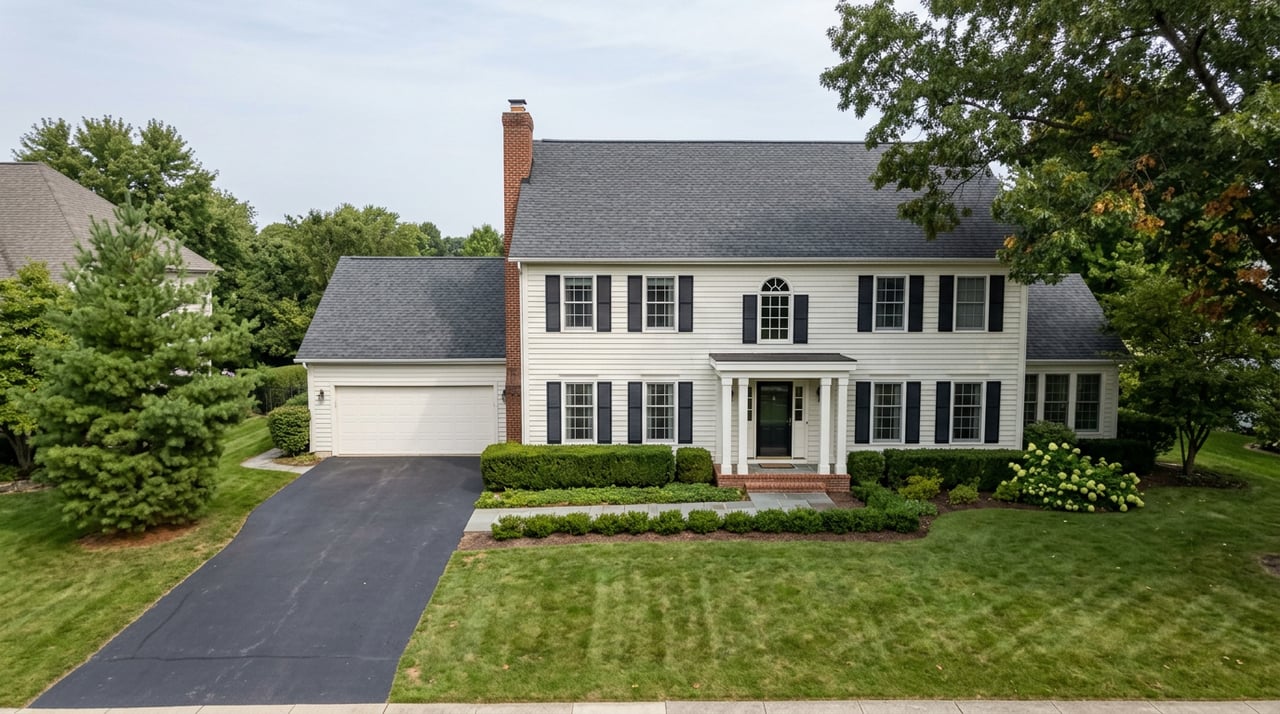
Stamford blends an urban core with classic suburban neighborhoods. Downtown and Harbor Point concentrate mid and high-rise condos near the Transportation Center, restaurants, and offices. North Stamford, Turn of River, Shippan, and Glenbrook offer more single-family options with yards and varied lot sizes.
Condos often appeal if you want a walkable location and lower exterior maintenance. Single-family homes draw buyers who want private outdoor space, storage, and flexibility to customize. Your ideal fit depends on how you weigh commute, space, rules, and total cost of ownership.
Key cost differences
Buying a condo or a house changes both your upfront and monthly budget. Focus on how the full picture fits your cash flow and goals.
Purchase price and down payment
- Condos often have lower entry prices because you buy the unit, not land.
- Some lenders may require a larger down payment for condos or need project-level approvals for certain loans. Confirm this early with your lender.
Monthly costs you can expect
- Condo budget: mortgage + property tax + unit-owner insurance + HOA dues. HOA fees vary by building age, amenities, and what utilities are included.
- Single-family budget: mortgage + property tax + homeowners insurance + maintenance and utilities. Many Stamford houses do not have an HOA fee.
Insurance differences
- Condos typically use an HO-6 policy for interior finishes and personal items. The association’s master policy covers common elements and building structure. Ask where the master policy stops and your policy starts.
- Single-family owners insure the entire structure and property, which can cost more depending on age and construction.
Maintenance and repairs
- Condos shift exterior and common-area upkeep to the association. You pay for this through HOA dues. Special assessments are possible for big projects if reserves are low.
- Single-family owners plan for both routine upkeep and larger capital items like roofs and siding. Budgeting varies by property; some owners set aside a percentage of home value each year as a guide.
Utilities and included services
- Many condos include items like water, trash, or heat in HOA dues. Confirm exactly what is covered.
- Single-family owners pay utilities directly and manage services like landscaping.
Special assessments and reserves
- For condos, review the financial health of the association. Strong reserves help reduce assessment risk when major projects arise.
- For houses, you carry the capital expense risk, and you choose when and how to fund large repairs.
Lifestyle and location tradeoffs
Space and layout
- Condos use space efficiently and often trade private yards for balconies or shared outdoor areas.
- Houses typically offer yards, garages, basements or attics, and more storage.
Amenities and services
- Condos may include gyms, pools, package rooms, doormen, and garage parking. These conveniences are baked into HOA dues.
- Houses let you customize and expand on your terms, but you manage everything yourself.
Privacy, control, and rules
- Condos operate under bylaws and rules. Expect guidelines on noise, renovations, pets, rentals, and parking.
- Houses offer more autonomy for exterior changes and property use, subject to zoning and any neighborhood covenants.
Commute and daily routine
- Downtown and Harbor Point condos put you near the Stamford Transportation Center, offices, and nightlife. That often means a shorter walk to trains and less time in the car.
- Single-family neighborhoods farther from downtown may require a drive to transit or park-and-ride. The tradeoff is more space and a private yard.
Schools and planning ahead
- If schools are important to your decision, verify current attendance zones for each address and confirm whether local options fit your needs.
Financing and resale factors
Condo financing differences
- Some loan programs require condo project approval. Lenders may check owner-occupancy levels, investor concentration, litigation, and reserve funding.
- Work with your lender early to confirm which buildings are eligible. This can save time and headaches.
Resale dynamics
- Condos appeal to buyers who want urban convenience and amenities. Resale values hinge on building condition, HOA stability, amenities, parking, and location.
- Single-family homes draw a broader buyer pool because land and flexibility appeal to many. Resale varies by neighborhood and market conditions.
Taxes and deductions
- Mortgage interest and property taxes may be deductible within federal limits. HOA dues for a primary residence are generally not deductible. Speak with a tax advisor about your situation.
A simple decision plan
- Define non-negotiables. List your must-haves like commute time, bedroom count, parking, outdoor space, pet rules, and any school priorities.
- Set a total monthly budget. Add mortgage, taxes, insurance, HOA dues if any, and a realistic line for maintenance or reserves.
- Check financing early. If you are considering condos, confirm project eligibility and any down payment differences with your lender.
- Assess condition and risks. Review condo documents or a home’s inspection records to spot maintenance and cost red flags.
- Align with your time horizon. Shorter hold periods may lean toward locations with strong liquidity. Longer horizons can emphasize land, space, and potential appreciation.
Due diligence checklists
Condo checklist
- Declaration, bylaws, and rules and regulations
- Current budget and last 2–3 years of financials
- Reserve study and percent funded
- History of special assessments in the past 5–10 years
- Minutes from the last 12 months of board meetings
- Master insurance policy details and owner coverage requirements
- Owner-occupancy and investor ratios
- Parking assignments, storage, and guest parking rules
- Rental policies including short-term rules
- Pending litigation and planned capital projects with funding plans
Single-family checklist
- Recent inspection details on roof, foundation, and mechanicals
- Property survey and boundary status
- Maintenance records for roof, HVAC, and exterior
- Drainage patterns, tree care, and any easements
- Local zoning or neighborhood covenants affecting use or changes
Example monthly budgets
Below are simplified examples to show how costs can stack. These are examples only. Actual numbers vary. Always verify with your lender and current listings.
Example A: Downtown condo
- Mortgage and property tax: based on purchase price and down payment
- HOA dues: higher if the building has doorman, pool, or gym
- Insurance: HO-6 policy for interior and personal property
- Utilities: some may be included in HOA; confirm details
Takeaway: HOA dues add a fixed monthly cost. In return, you get amenities, exterior maintenance, and predictable building services. Watch for reserve strength and any assessment history.
Example B: Single-family home
- Mortgage and property tax: typically higher purchase price for similar square footage
- Insurance: full homeowners policy for structure and property
- Maintenance: set aside a monthly reserve for routine and unexpected items
- Utilities and services: paid directly, including landscaping and snow removal if needed
Takeaway: No HOA fee in many neighborhoods, but you manage and pay for all upkeep. Your monthly picture can be smooth if the home is newer or well maintained, and more variable if major systems are near end of life.
Neighborhood vignettes
Harbor Point condo life
You leave your condo, grab coffee, and walk to the train or office within minutes. Packages go to a secure room. You use the building gym instead of an outside membership. Evenings are simple with restaurants and waterfront paths nearby.
North Stamford single-family rhythm
You enjoy a larger lot and more privacy. Weekends include yard time or hosting on the patio. You drive to the station or work, and you set your own schedule for maintenance or upgrades as you personalize the home.
Glenbrook or Turn of River balance
You find mid-density options with access to local shops and a short drive to transit. Townhome-style condos and smaller single-family homes can offer a middle ground between downtown convenience and space.
Which path fits you
- Choose a condo if you value walkability, amenities, and a simpler maintenance list. Budget for HOA dues and review the association’s financials.
- Choose a house if you want a yard, more storage, and control over improvements. Plan for maintenance and longer-term capital items.
Both paths can work well in Stamford. The best choice is the one that fits your daily routine and your total budget with room to spare.
Next steps
- Get pre-approved and set your full monthly target.
- If you are considering condos, request building documents early. Reserve strength and rules can be deal makers.
- Tour both product types in the same weekend to feel the tradeoffs in real time.
- When you are ready to move forward, use a clear offer strategy and timelines that protect your goals.
If you want a local guide who pairs polished marketing with transparent, tech-enabled workflows, connect with Robert L Virgulak to Request a Market Consultation.
FAQs
What is usually included in Stamford condo HOA fees?
- It varies by building, but HOA dues often cover common area maintenance, building insurance, reserves, and sometimes utilities like water, trash, or heat. Always confirm line items.
How do condo special assessments work for buyers?
- If reserves are not sufficient for a major project, the association may levy a special assessment. Review the reserve study, financials, and assessment history before you buy.
What should I budget for single-family maintenance?
- Needs vary by age and condition. Many owners set a monthly reserve to cover routine upkeep and future capital items like roof or siding replacement.
Are condos harder to finance than houses?
- Not always, but lenders may require condo project approval and check owner-occupancy, reserves, and litigation. Verify building eligibility with your lender early.
Which has better resale in Stamford, condos or houses?
- It depends on location and market conditions. Condos attract buyers seeking urban convenience. Single-family homes often draw a broader pool due to land and flexibility.
How should I compare total monthly costs for each option?
- Add mortgage, taxes, insurance, HOA dues if any, utilities, and a maintenance reserve. Compare the all-in number to your comfort level and income stability.