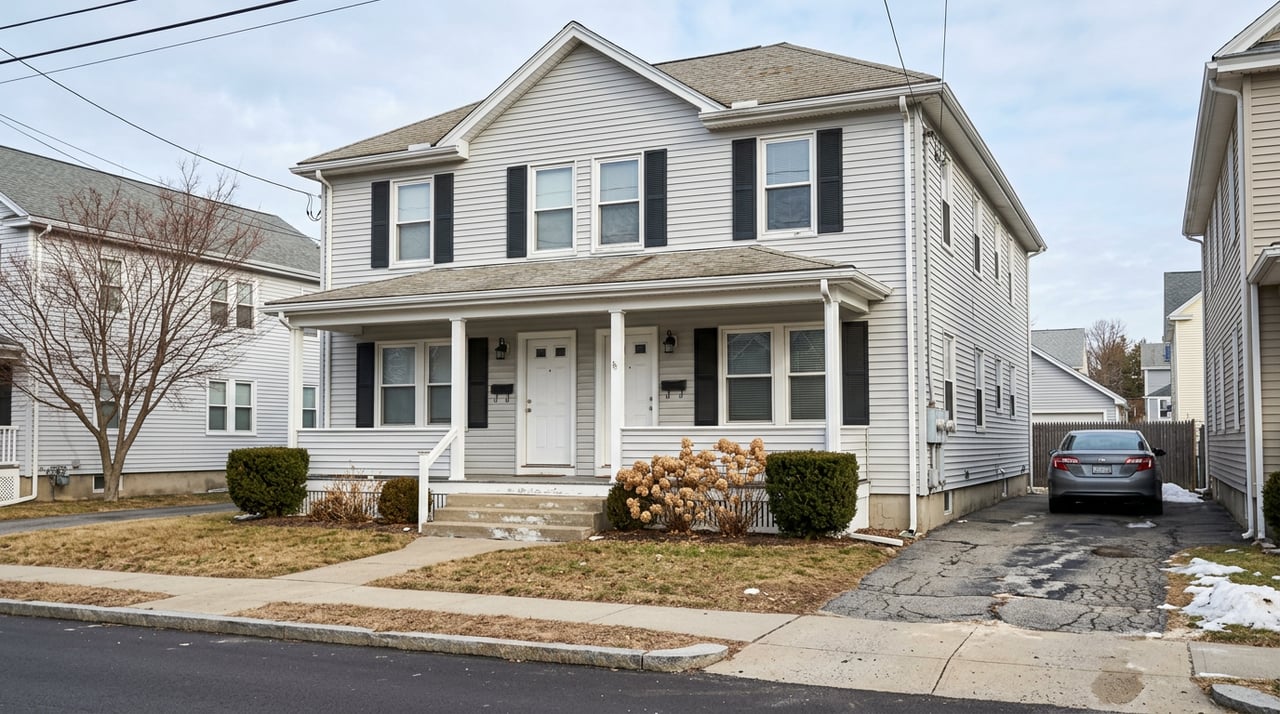
Thinking about buying your first duplex or small apartment building in Norwalk? You are not alone. Investors are drawn to Norwalk’s commuter access, steady renter demand, and a zoning update that clarifies where small multifamily can work. In this guide, you will learn local rent ranges, how to underwrite a 2–4 unit, where zoning often trips buyers up, and how Norwalk stacks up against nearby towns. Let’s dive in.
Why Norwalk works for small multifamily
Norwalk sits between Stamford and Bridgeport with multiple Metro‑North stations, including South Norwalk (SoNo), Rowayton, and East Norwalk. Express trains to Grand Central are commonly cited in the 55 to 65 minute range, which supports a broad commuter base, according to a detailed Fairfield County commute guide.
Local employment nodes also matter. Merritt 7 corporate park and Norwalk Hospital anchor year‑round demand, and the city has seen interest in office‑to‑residential conversions that can add new units over time. While pipeline timing is project‑specific, recent data show renter vacancy in the low to mid single digits and continued rent resilience, based on vacancy signals and rent averages.
Norwalk’s citywide zoning rewrite, effective in 2024, created clear Commercial/City Districts and updated where small multifamily and mixed‑use are permitted. Investors now have better guidance on where a two‑family or small multifamily is allowed, subject to site plan or special permit thresholds. You can review Norwalk’s zoning regulations and map before you tour.
Rents and prices today
Current asking rents vary by submarket and finish level. Aggregators place Norwalk’s overall average rent near the 2,600 to 2,900 range across unit types, with many 2‑bedroom market rents between roughly 2,600 and 3,400 depending on neighborhood and quality, based on Zillow’s rental trends for Norwalk. For underwriting, use a range, not a single number, and get three current comps per unit type in your target area.
For broader context, the U.S. Census’ 2019–2023 American Community Survey reports a median gross rent of 2,010 in Norwalk, which often trails current online asking rents. Use ACS for demographics and historical rent context, and listing sites for current market pricing. See U.S. Census QuickFacts for Norwalk.
On pricing, Zillow’s local home value index places Norwalk’s typical home value around the low‑to‑mid 600s as of early 2026, positioning the city between premium towns like Westport and more value‑oriented markets nearby. You can view the trend via Zillow’s home value index for Norwalk.
Cap rates in context
Small multifamily cap rates in Fairfield County track interest rates, supply, and demand. Recent local commentary puts Norwalk in the mid‑range for the county, with many small to mid‑size deals underwriting near 4.5 to 6 percent, while larger institutional offerings have been marketed around 6 percent, according to local coverage citing trades near 6 percent caps and a broad regional investor guide. Your actual cap rate comes from one building’s stabilized NOI and the most recent comparable sales, so always calculate from the ground up.
How to underwrite a 2–4 unit in Norwalk
What to collect first
- Current rent roll: unit‑level rents, lease dates, concessions, and utility responsibilities.
- Income and expenses for at least 24 months: trash, water/sewer, insurance, landlord‑paid utilities, management, taxes, repairs, landscaping, snow, reserves. Ask for invoices and P&L backup.
- Vacancy and turnover history. Timing and cost to turn units can change the math.
- Three current rent comps per unit type in the same submarket.
- Property tax bill and any pending assessments. Fairfield County’s tax bills are relatively high compared to many U.S. counties, per an analysis of Fairfield County property tax bills. Build taxes into a conservative pro forma.
Run the math
The basics are standard: Net Operating Income (NOI) equals effective gross income minus operating expenses, excluding debt service. Cap rate equals NOI divided by purchase price. If you are new to the terms, you can review standard NOI and cap rate definitions.
- Start with scheduled rent at current market levels, add other income if applicable, then subtract a vacancy allowance. In this market, many pro formas use 4 to 6 percent for vacancy, but confirm with a local manager.
- Normalize expenses instead of relying only on the seller’s T12. Insurance, taxes, utilities, and maintenance can step up after closing.
- Stress test with conservative rents, higher vacancy, and realistic CAPEX reserves.
What your lender will ask for
For 2–4 units, many buyers can use residential financing while 5+ units are typically commercial loans. Discuss timeline, required reserves, and rent coverage ratios early with your lender. Local community banks active in Fairfield County often understand small multifamily underwriting.
Zoning basics you must confirm
Norwalk’s 2024 rewrite clarified where two‑family and small multifamily building types are allowed, and which projects require site plan or special permit review. Two‑family dwellings are listed in the Use Table and are permitted by right in many residential districts. Small multifamily forms are addressed in several City Districts, sometimes permitted with limitations or by special permit depending on the district and unit count. Always verify a parcel’s district and thresholds in the official Use Table and the zoning regulations and map.
What to check first
- Is the current unit count legal, or a legal nonconforming use?
- Does the parcel’s district allow a duplex or small multifamily by right, with limitations, or only by special permit?
- Will any planned changes, like creating a separate upstairs unit, trigger site plan or special permit review?
Use the city’s Planning & Zoning resources and interactive map to verify records and permit history before you make an offer.
Common pitfalls
- Unpermitted accessory units or attic/basement conversions.
- Parking and setback requirements that block an extra unit.
- Unit thresholds that change your review pathway from site plan to special permit.
When in doubt, contact P&Z directly with your parcel ID and a short written summary of your plan.
Tenant profiles and upgrades that rent
Likely renters by submarket
Typical tenants for small multifamily in Norwalk include Fairfield County commuters using Metro‑North, healthcare workers, employees at corporate parks like Merritt 7, and young professionals or small families who want SoNo or Rowayton amenities. Use household size and renter statistics from the U.S. Census QuickFacts for Norwalk to match unit sizes to likely demand.
Value‑add costs and ideas
- Cosmetic turns: paint, flooring, lighting, and hardware can refresh a unit at modest cost. Budget per unit with local bids.
- Kitchen and bath updates: national ranges vary widely. HomeAdvisor’s 2025 kitchen remodel cost range cites about 14k to 42k, with bathrooms commonly around 6.6k to 17.6k depending on scope. Use conservative allowances and adjust for CT labor and permits.
- High‑impact upgrades: in‑unit or building laundry, modern finishes, efficient boilers or furnaces, and storage. If legal, off‑street parking can boost rent and reduce vacancy.
- Older buildings: plan for electrical upgrades, plumbing, egress, and lead‑paint compliance for pre‑1978 structures.
Model rent uplifts conservatively and stage improvements with lease renewals to manage vacancy.
Norwalk vs nearby towns
- Bridgeport. Typically lower entry prices and higher cap rates, but management intensity can be higher, per a regional investor guide.
- Norwalk. A middle ground on yield vs appreciation. Many small multifamily pro formas fall in the roughly 4.5 to 6 percent range depending on building and location, supported by recent local cap rate commentary.
- Stamford, Westport, Darien. Generally lower cap rates with higher asking rents in premium submarkets. For buyers who prioritize near‑term cash flow, Norwalk can be more compelling than ultra‑premium towns, as seen in Zillow’s rental trends for Norwalk.
First steps for first‑time buyers
- Pull recent sales for legal 2–4 units near your target address and note price, date, and any available income data.
- Request 24 months of income and expense statements, rent roll, and leases. Verify who pays each utility in writing.
- Order inspections and obtain contractor bids for safety items and your planned value‑add work.
- Confirm legal unit status and zoning in the official Use Table and on the interactive map. Call P&Z with follow‑up questions.
- Get lender pre‑approval suited to a 2–4 unit loan product and confirm timelines.
- Stress test your model for conservative rents, higher vacancy, property tax increases, and larger CAPEX.
Quick Norwalk pro forma example
This simple example shows how assumptions move the numbers. Do not treat it as a price opinion.
- Property: Legal duplex with two 2‑bedroom units.
- Market rent assumption: 2,700 per unit monthly based on current Norwalk ranges and building quality comps. Scheduled rent equals 64,800 per year.
- Vacancy at 5 percent: 3,240. Effective gross income equals 61,560.
- Operating expenses estimate: 38 percent of EGI for taxes, insurance, maintenance, landlord‑paid utilities, management, snow/landscaping, reserves. Operating expenses equal 23,392.80.
- Stabilized NOI: 38,167.20.
- If offered at 700,000, the indicated cap rate is about 5.45 percent. If expenses run 2 percent higher or rent is 100 lower per door, the cap compresses quickly. Always run a sensitivity grid.
Small changes in taxes, utilities, or rent levels can swing NOI. Verify each input with third‑party data and a local property manager.
Ready to identify on‑ or off‑market options, confirm zoning, and build a clean underwriting model tailored to your goals? Start with a local consultation. Connect with Robert L Virgulak to map your next steps in Norwalk.
FAQs
What are current Norwalk rent ranges for 2‑bedroom units?
- Aggregators commonly show 2‑bedroom asking rents between roughly 2,600 and 3,400 depending on submarket and finish level, as seen in Zillow’s rental trends for Norwalk.
How long is the South Norwalk to NYC commute?
- Express trains to Grand Central are frequently cited in the 55 to 65 minute range for Norwalk stations, per a Fairfield County commute guide.
Are duplexes legal in all Norwalk zones?
- No. Two‑family dwellings are permitted by right in many residential districts but not all districts. Always verify the parcel’s district and use permissions in the official Use Table.
What cap rates should I expect in Norwalk?
- Recent context suggests small multifamily pro formas often underwrite near 4.5 to 6 percent, with larger offerings marketed around 6 percent, per local coverage and a regional investor guide. Your actual cap depends on stabilized NOI and comps.
How do property taxes impact my pro forma in Fairfield County?
- Property tax bills are relatively high by national standards, so confirm the current assessment and rate with the assessor and model increases, as noted in this Fairfield County tax analysis.