You finally found a home you love in Darien, but the inspection step can feel like a maze of timelines, tests, and tough choices. You want to protect your investment without overreacting to normal wear and tear. This guide gives you the essentials for 06820 buyers: what a standard inspection covers, Darien‑specific red flags, when to add specialty tests, and how to keep negotiations on track. Let’s dive in.
What a home inspection covers
A standard home inspection is a visual, non-invasive review of the home’s major systems and components as they appear on the day of inspection. Inspectors follow professional Standards of Practice that outline what is included and excluded. You can review an example through the ASHI Standards of Practice or the InterNACHI standards.
Included in a typical inspection
- Structure: visible foundation areas, basement or crawlspace conditions, and accessible framing.
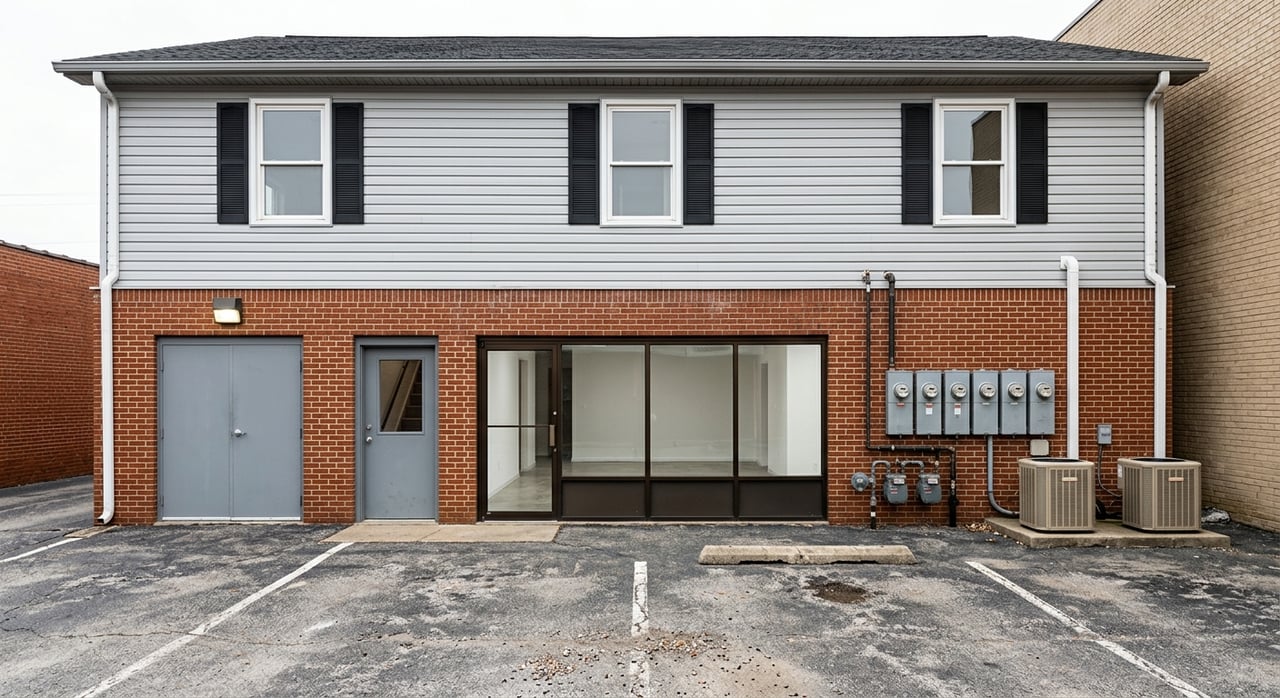
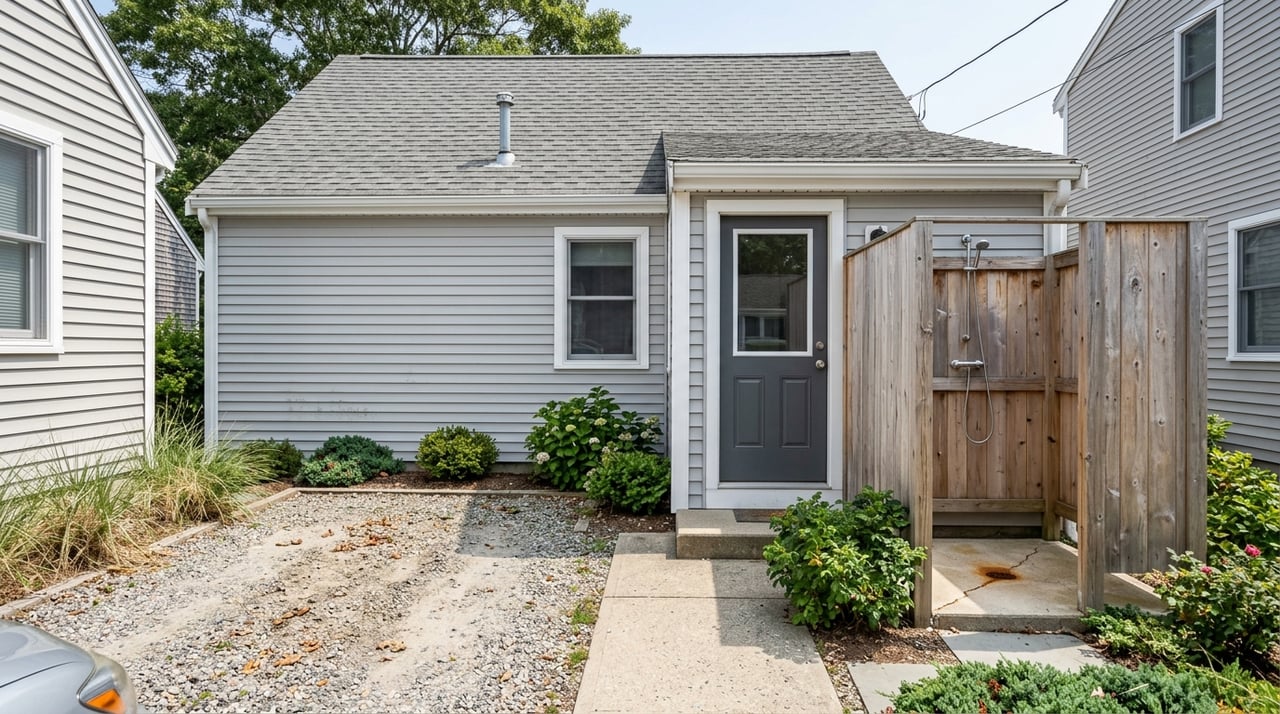
- Exterior: roof surface, gutters, downspouts, siding, porches, stairs, and decks.
- Interior: walls, ceilings, floors, doors and windows, and signs of water intrusion.
- Major systems: heating and cooling equipment, visible plumbing supply and drainage, water heater, and a visual review of electrical panels and service.
- Insulation and ventilation: attic insulation, ventilation, and visible signs of moisture or ice dams.
- Safety: presence and operation of GFCI outlets and CO detectors, and other visible hazards.
What is not included
- Hidden or concealed conditions behind finishes, code compliance, or engineering opinions.
- Mold testing, radon testing, asbestos or lead paint testing, and indoor air quality assessments.
- Underground oil tanks, septic system performance, sewer line condition, and well water quality without specialty inspections.
- Camera scopes for sewer lines or stamped structural evaluations by an engineer.
Inspectors identify current, visible issues and recommend specialists where needed. Think of the report as your roadmap for what to monitor, fix, or investigate further.
Darien issues to watch
Darien’s coastal setting and mix of older and updated homes create a few common themes during inspections.
Flood and storm exposure
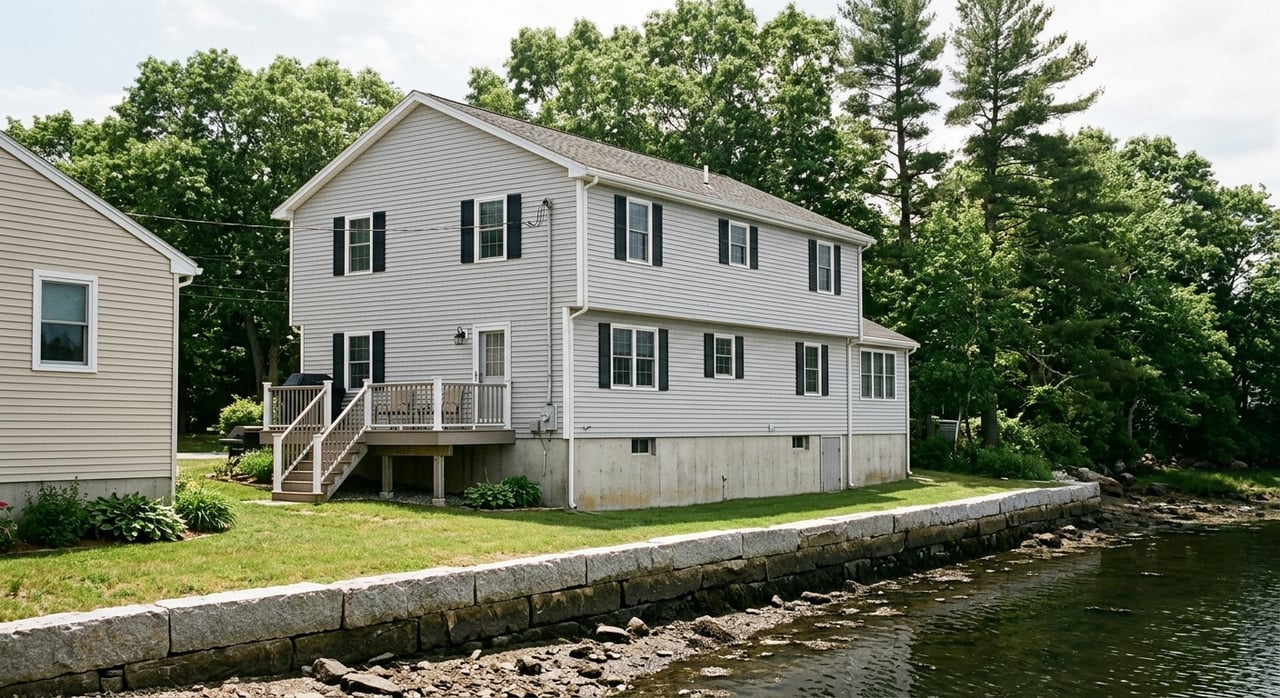
Some properties sit in or near FEMA flood zones. Look for past water intrusion, saltwater impacts on foundation materials, and utility damage. Use the FEMA Flood Insurance Rate Maps to check a home’s flood designation and to understand potential insurance implications.
Roofs and chimneys
You will see slate and asphalt roofs, sometimes with complex flashing around chimneys and valleys. Typical findings include aging shingles, flashing failures, and evidence of past ice dams. Older masonry chimneys can show mortar deterioration or creosote buildup. A licensed chimney sweep is a common follow-up.
Exterior wear near the coast
Sea spray and salt can accelerate corrosion on metal components and fasteners. Decks, trim, and fascia boards may show wood rot sooner than inland homes. Inspectors often flag loose railings, deteriorated decking, or corroded hardware for repair.
Basements and drainage
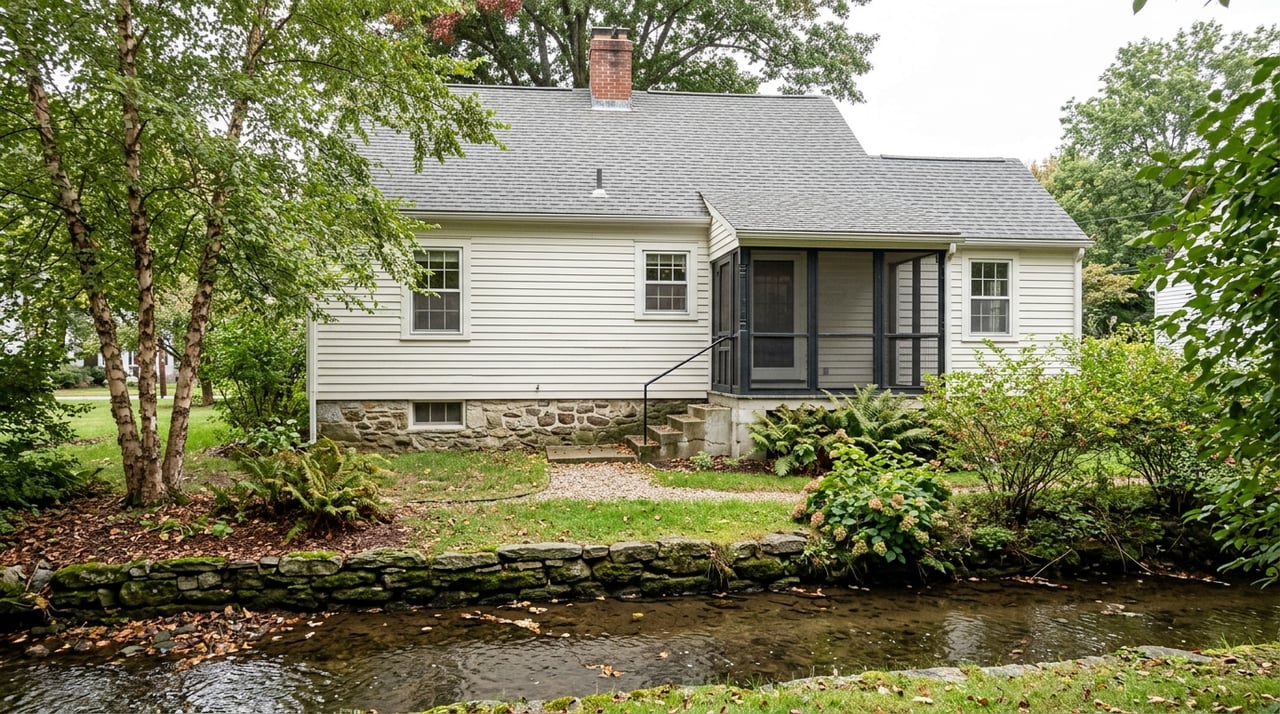
Hydrostatic pressure and grading issues can push moisture into basements. Expect inspectors to look for efflorescence, water stains, sump pump function, and gutter/downspout performance. Many moisture issues are manageable with drainage improvements.
Heating systems and oil tanks
Connecticut homes often have oil-fired boilers or a history of oil heat. Older aboveground tanks and possible underground storage tanks raise leak risk. If oil heat is present or suspected, consider a tank sweep or follow CT environmental guidance through Connecticut DEEP.
Electrical capacity and insulation
Older wiring types or undersized panels sometimes appear in mid-century homes. Attic insulation and ventilation can lag modern standards, which adds energy costs and raises ice dam risk. Expect recommendations for GFCI upgrades and ventilation improvements.
Sewer or septic
Many Darien addresses connect to municipal sewer, but not all. Confirm connection status with town records or seller disclosure. If septic is present, plan a dedicated septic inspection.
Older home materials
Homes built before 1978 may contain lead-based paint, and older insulation or floor tiles can include asbestos. Formal testing is separate from the standard inspection and is common when renovations are planned.
Timeline and scheduling in Connecticut
Your purchase contract controls the inspection contingency, including the deadline to complete inspections and submit requests. In competitive markets, windows are often short, so plan early.
Typical flow for 06820 buyers
- Book the inspection immediately after going under contract. Busy seasons and limited availability can compress timelines.
- Expect a 2 to 4 hour appointment for most single-family homes, longer for larger or older properties.
- Most inspectors deliver a detailed, photo-rich report within 24 to 72 hours. Some provide a same-day summary.
- Specialty tests follow different clocks: radon devices typically run 48 to 96 hours, and lab tests for water quality or mold can take several days.
- Watch your contingency deadline. If the general inspection uncovers issues that require more time for specialist evaluations, you will likely need to request a written extension and receive seller agreement.
Smart add-on tests for Darien
Add specialty inspections based on the home’s age, location, and what your inspector finds.
- Radon testing: Recommended widely in Connecticut due to variable radon potential. A continuous monitor is typical.
- Sewer line camera: Helpful for older homes or those with mature trees near the line. Clay pipes are common in older neighborhoods.
- Septic inspection: Essential if the home is not on municipal sewer. Dye tests and pumping may be part of the process.
- Well water testing: Order bacteriological and chemical tests for private wells.
- Oil tank sweep and soil screening: Wise when oil heat is present or suspected and no aboveground tank is visible.
- Mold or indoor air quality testing: Consider if there are musty odors, visible growth, or a history of water intrusion.
- Asbestos and lead paint testing: Useful for pre-1978 homes, especially before renovations.
- Chimney sweep and inspection: If a fireplace or masonry chimney is present.
- Flood elevation certificate: Consider for properties in flood zones where insurance underwriting requires elevation data.
Typical cost ranges in CT
- General home inspection: about $300 to $700, depending on size and complexity.
- Radon test: about $150 to $300.
- Sewer scope: about $150 to $400.
- Septic inspection: about $300 to $800.
- Well water tests: about $100 to $300, depending on the panel.
- Mold testing: often $300 or more.
- Oil tank sweep and soil screening: about $200 to $600.
Local vendor pricing and demand can shift costs. Your general inspector’s recommendations will help you prioritize.
Choosing and attending the inspection
Pick an inspector with strong credentials and local experience.
- Check affiliations and credentials, such as ASHI or InterNACHI. Ask for a sample report to see detail, photos, and clarity.
- Confirm insurance coverage and ask about experience with coastal New England issues like flooding, slate roofs, and older masonry.
- Connecticut requirements for home inspector licensing or registration can change. Confirm current state requirements directly with the appropriate authority.
Plan to attend the inspection. It is the best way to learn how systems operate and to ask practical questions. Bring any permits or service records you have, plus a short list of concerns. Expect your inspector to explain findings and maintenance tasks as you go.
Responding to the report
Start by separating safety and major system concerns from routine maintenance.
- Review the report quickly so you can act within your contingency window.
- For significant issues, get written bids from licensed contractors. Use these to inform requests for repairs or credits.
- Follow the contract’s notice requirements. If you negotiate repairs, consider a re-inspection to confirm completion before closing. Receipts, photos, and warranties help.
- For environmental or concealed issues, order specialists. Their reports can support your negotiation strategy.
In Darien, common outcomes include seller-performed repairs with receipts, credits at closing, or a price adjustment. If defects are beyond your tolerance and the contract allows, you can terminate within the contingency period.
Quick 06820 buyer checklist
- Identify add-on tests you want before you make an offer: radon, sewer scope, septic, oil tank sweep, and water testing if needed.
- Schedule the general inspection immediately after contract acceptance.
- Attend the inspection and review the report within your deadline.
- Prioritize safety and major systems: structure, roof, heating, electrical, fuel tanks, drainage, and flood risk.
- Check local records with the Darien Town Offices for permits, sewer or septic status, and assessor data.
- If in or near a flood zone, review the FEMA flood maps and discuss insurance requirements. Consider an elevation certificate where appropriate.
- Get contractor bids in writing for major items and plan a re-inspection if repairs are agreed.
- Coordinate with your agent and attorney to meet all notice and negotiation deadlines.
Local resources for buyers
- Review national inspection standards through ASHI Standards of Practice or InterNACHI standards.
- Check flood risk and mapping on the FEMA National Flood Hazard Layer.
- For questions on underground oil tanks and environmental guidance, start with Connecticut DEEP.
- For permit history, sewer connection status, septic permits, and assessor data, visit the Darien Town Offices.
You do not need to catch every small flaw to make a smart decision. Focus on safety, structure, moisture, roofs, utilities, and environmental risks. With a clear inspection plan and timely follow-through, you can move forward with confidence in Darien.
If you are weighing an offer or planning your next move in 06820, let’s talk about timing, inspections, and negotiation strategy tailored to your goals. Connect with Robert L Virgulak for a straightforward plan to buy well in Darien.
FAQs
What does a standard Darien home inspection include?
- It is a visual review of structure, roof, exterior, interior, major systems, insulation and ventilation, and basic safety items, following published standards like ASHI or InterNACHI.
How long do CT inspections take and when should I book?
- Most single-family inspections take 2 to 4 hours. Book as soon as your offer is accepted to meet the inspection contingency deadline in your contract.
Which add-on tests should Darien buyers consider?
- Common add-ons include radon testing, sewer camera scopes, septic evaluations, well water testing, oil tank sweeps, chimney inspections, and mold or asbestos and lead testing when indicated.
How do flood zones impact a Darien purchase?
- Flood zones can affect insurance requirements and risk. Check the FEMA flood maps, consider an elevation certificate if needed, and review any history of water intrusion or storm damage.
Who pays for inspections and can I negotiate repairs?
- Buyers typically pay for inspections and specialty tests. You can request repairs, credits, or a price adjustment within your contingency window, subject to the contract’s terms.