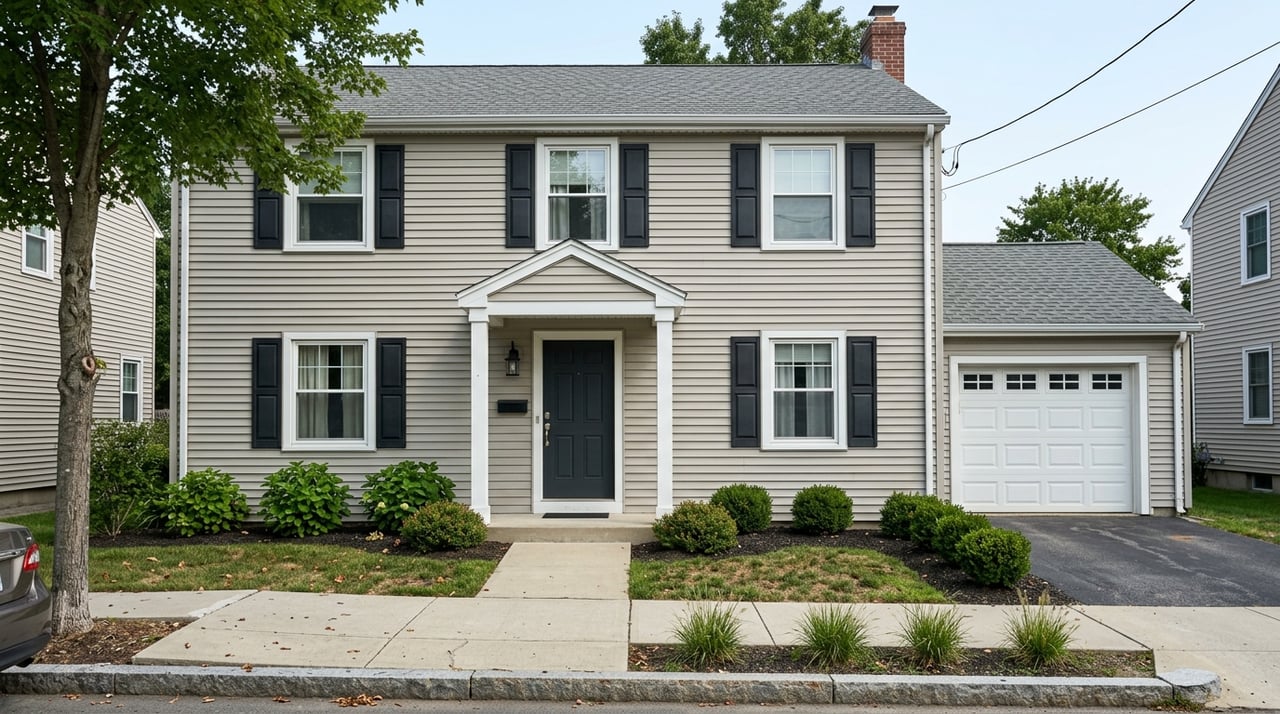
Trying to choose between Fairfield Beach, the streets near downtown, and the University area? In Fairfield, those three pockets can feel very different even though they are all part of the same town. If you want to balance lifestyle, budget, lot size, and long-term value, it helps to compare them side by side before you start touring homes. Let’s dive in.
Why these Fairfield areas differ
Fairfield is a competitive market overall. Realtor.com’s Fairfield market summary shows a median listing price of $1.187M and 30 median days on market, while the 06824 ZIP code overview shows a median listing price of $1.614M and 29 median days on market.
Within that broader market, the town treats Fairfield Beach, Sherman, Mill Hill, and University as separate neighborhoods on its official assessor neighborhood map. That matters because what many buyers call “downtown-adjacent” is really a collection of smaller sub-areas rather than one formal neighborhood.
A simple way to think about it is this: Beach buys scarcity and shoreline lifestyle, downtown-adjacent buys convenience, and University buys space with still-good access. Once you understand that framework, your search gets much clearer.
Fairfield Beach at a glance
Fairfield Beach is the most lifestyle-driven of the three. The town’s zoning regulations for the Beach District allow only single-detached dwellings, limit occupancy to four unrelated people, and are designed to protect shorefront character and coastal resources.
That zoning creates a strong sense of identity, but it also limits flexibility. The same regulations set a minimum lot area of 9,375 square feet, require a 50-foot square on the lot, and cap lot coverage at 20 percent. In practical terms, buyers are often paying for location and scarcity more than for extra land.
Beach pricing and competition
Public market data places Fairfield Beach at the high end of town pricing. Realtor.com’s Fairfield Beach overview shows a median listing price of $2.15M, 35 homes for sale, 29 median days on market, and a 103% sale-to-list ratio.
That said, beach pricing can look uneven from one data source to another because a small number of high-value sales can shift neighborhood averages. The safest takeaway is that Fairfield Beach remains premium, competitive, and tightly supplied.
What buyers like about Fairfield Beach
If your top priority is a coastal Fairfield lifestyle, this area stands out right away. Buyers are usually drawn to:
- Walk-to-water convenience
- A distinct shorefront identity
- Prestige tied to a scarce location
- Long-term appeal linked to limited redevelopment capacity
What to consider carefully at the beach
The tradeoffs are just as important as the lifestyle benefits. Before you focus your search here, keep in mind:
- Entry costs are typically the highest of the three areas
- Zoning rules are tighter than in inland neighborhoods
- Lots can be more constrained from a building-envelope standpoint
- Expansion or footprint changes may be less flexible
Downtown-adjacent living
If you care most about day-to-day efficiency, downtown-adjacent streets may be the strongest fit. The town describes downtown Fairfield as a compact, walkable center for artistic and cultural expression, and a town property listing for Sherman Street places that area within walking distance of shops, restaurants, and the train station.
This pocket offers a different value proposition than the beach. Instead of paying mainly for shoreline scarcity, you are often paying for location efficiency, walkability, and access to transit and town amenities.
Downtown-adjacent housing mix
One reason this area appeals to a broad range of buyers is the variety of housing. Based on recent nearby sales examples in the research, this pocket includes condos, smaller detached homes, and updated single-family properties.
That mix can create more price flexibility than you may find at the beach. It also means the neighborhood feel can vary from one block to the next, especially because this “downtown-adjacent” label spans parts of Sherman, Mill Hill, and nearby streets rather than a single uniform district.
Recent downtown-area price examples
Public data does not provide one clean market series for downtown-adjacent Fairfield, so recent examples are the best guide:
- 133 Smedley Rd sold in April 2025 for $950,000 on a 10,019-square-foot lot
- 245 Reid St sold in April 2026 for $685,000 on a 9,583-square-foot lot
- 245 Unquowa Rd Apt. 33 sold for $440,000 as a one-bedroom condo
Together, those examples show a convenience-first area with a wider spread of price points and property types.
Why buyers choose downtown-adjacent
For many buyers, convenience outweighs having a bigger yard. This area can be especially attractive if you want:
- Easy access to shops and restaurants
- Proximity to Metro-North and commuting routes
- A lower-maintenance home option such as a condo
- A central location with a more mixed housing supply
Tradeoffs near downtown
The same features that make this area practical can also create compromises. Compared with Fairfield Beach or the University area, you may see:
- Smaller yards
- More varied housing stock
- A more urban feel
- Less of a distinct single-neighborhood identity
University area compared
The University area often strikes the middle ground. On the town neighborhood map, it is identified separately, and recent listing descriptions consistently position it as close to town, the train, and beaches while offering quieter streets and a more residential setting.
If you want central Fairfield access without being in the middle of the downtown mix, this pocket can offer a strong balance. It tends to feel more suburban than beachy and more yard-oriented than the downtown edge.
University area lot sizes and feel
Based on the recent sales examples in the research, the University area often looks like quarter-acre living. Detached homes in this pocket frequently sit around 0.25 to 0.26 acres, with some older homes on just over 10,000 square feet.
That is not estate-scale land, but it usually provides more yard presence than a condo-heavy downtown-adjacent location. For buyers who want outdoor space without losing access to town, that balance can be appealing.
Recent University-area price examples
The University-area comp set shows an active and fairly wide pricing range:
- 248 Mayweed Rd sold in September 2025 for $1.64M on 0.26 acres
- 133 Smedley Rd sold in April 2025 for $950,000 on 10,019 square feet
- 97 Hunter Rd sold in November 2020 for $799,000 on 0.25 acres
The same research also points to larger, newer homes in the area, including 32 Middlebrook Dr. That range gives buyers more options in size, condition, and price point than they may find in Fairfield Beach.
Why buyers choose the University area
This pocket tends to appeal to buyers who want a quieter residential feel without giving up Fairfield access. Common reasons buyers focus here include:
- More yard-oriented lots
- Quiet residential streets
- Proximity to town, the train, and beaches
- A broader mix of home sizes and renovation levels
University area tradeoffs
No neighborhood is perfect for every buyer. In the University area, the main things to weigh are:
- Less walk-to-water identity than Fairfield Beach
- Less immediate downtown convenience than some in-town streets
- Prices that still require careful review of street, condition, and updates
Side-by-side Fairfield comparison
Here is the clearest way to compare these three Fairfield pockets.
| Area | Best Known For | Typical Tradeoff | Housing Pattern |
|---|---|---|---|
| Fairfield Beach | Shoreline lifestyle and scarcity | Highest prices and tighter zoning | Premium single-family homes on constrained lots |
| Downtown-adjacent | Walkability and commuting convenience | Smaller yards and more urban feel | Mix of condos and detached homes |
| University area | Balance of space and access | Still expensive, less beach identity | More yard-oriented detached homes |
Which Fairfield area may fit you best?
If you picture weekends near the water and are comfortable paying a premium for a scarce location, Fairfield Beach may be the right target. You should be ready for tighter zoning and a market where location drives value more than lot size.
If your routine depends on quick access to shops, restaurants, and the train, downtown-adjacent streets may offer the best day-to-day experience. This option can also make sense if you want more property-type flexibility, including condo living.
If you want a quieter residential setting with a little more breathing room, the University area may give you the strongest balance. It often works well for buyers who want space and convenience at the same time.
Final thoughts on Fairfield neighborhoods
In a town where inventory can move quickly, choosing the right neighborhood is often more important than chasing a perfect listing. The best decision usually comes down to what you value most: shoreline identity, walkable convenience, or a more residential feel with central access.
If you want help comparing current opportunities in Fairfield and narrowing your search by lifestyle, budget, and resale potential, connect with Robert L Virgulak for a market consultation.
FAQs
What makes Fairfield Beach different from other Fairfield neighborhoods?
- Fairfield Beach stands out for its shoreline location, premium pricing, and tighter zoning rules that limit flexibility and support scarcity.
What does downtown-adjacent mean in Fairfield, CT?
- Downtown-adjacent refers to streets near Fairfield’s walkable town center, including parts of Sherman and Mill Hill, where buyers often prioritize convenience, restaurants, shops, and train access.
What is the University area like in Fairfield?
- The University area generally offers a quieter residential feel, more yard-oriented lots, and convenient access to town, the train, and beaches.
Which Fairfield neighborhood offers the most walkability?
- Downtown-adjacent Fairfield typically offers the strongest walkability because it is closest to the town center, shops, restaurants, and the train station.
Which Fairfield neighborhood usually has the highest home prices?
- Fairfield Beach generally commands the highest prices among these three areas because of its shorefront identity, limited supply, and strong lifestyle appeal.