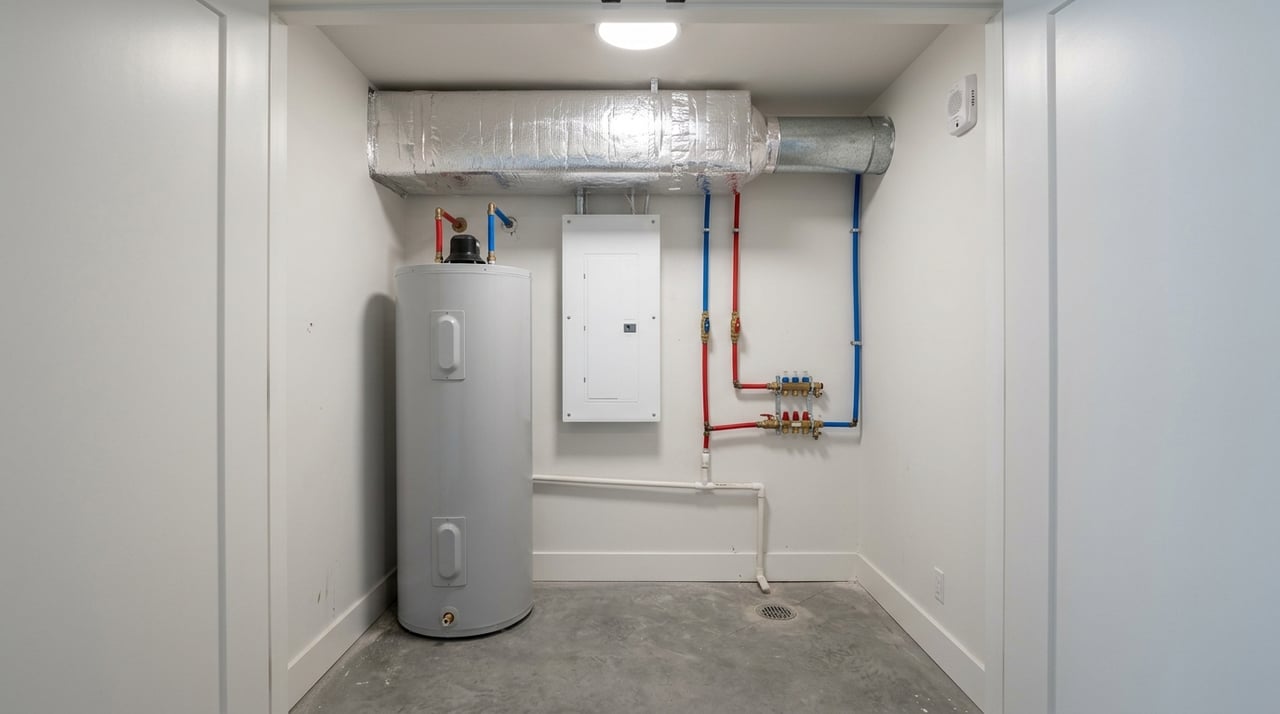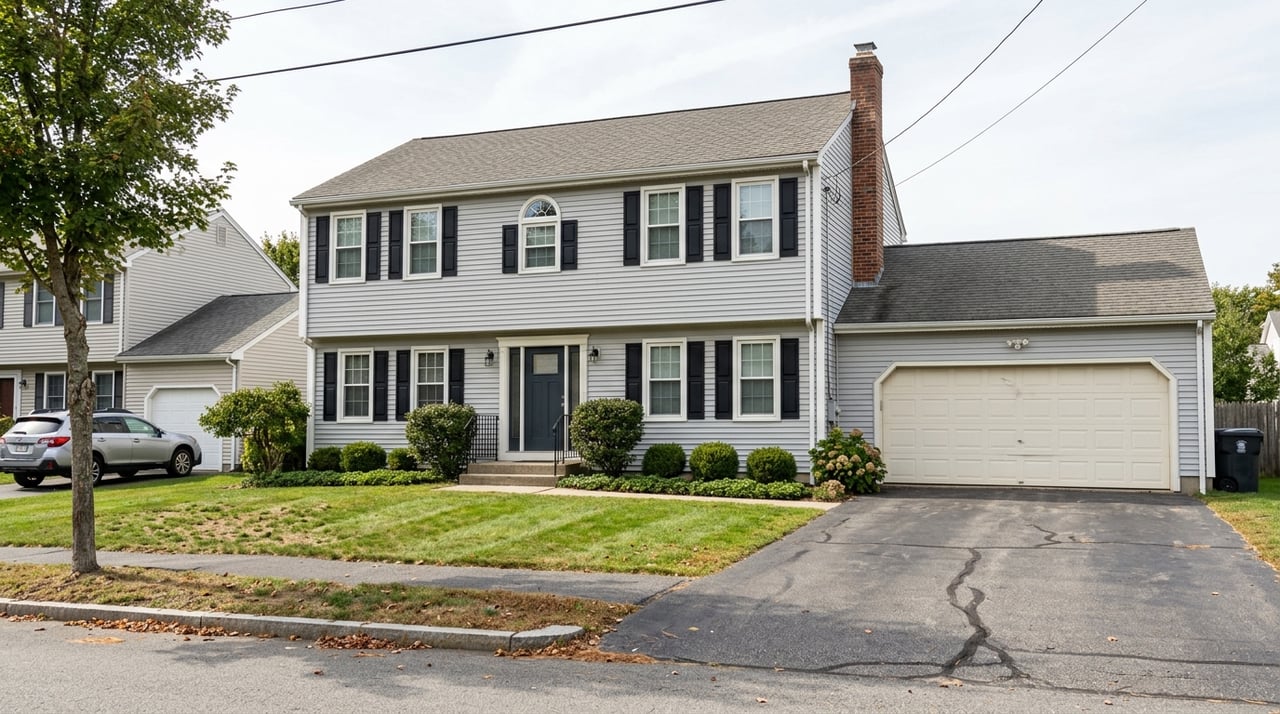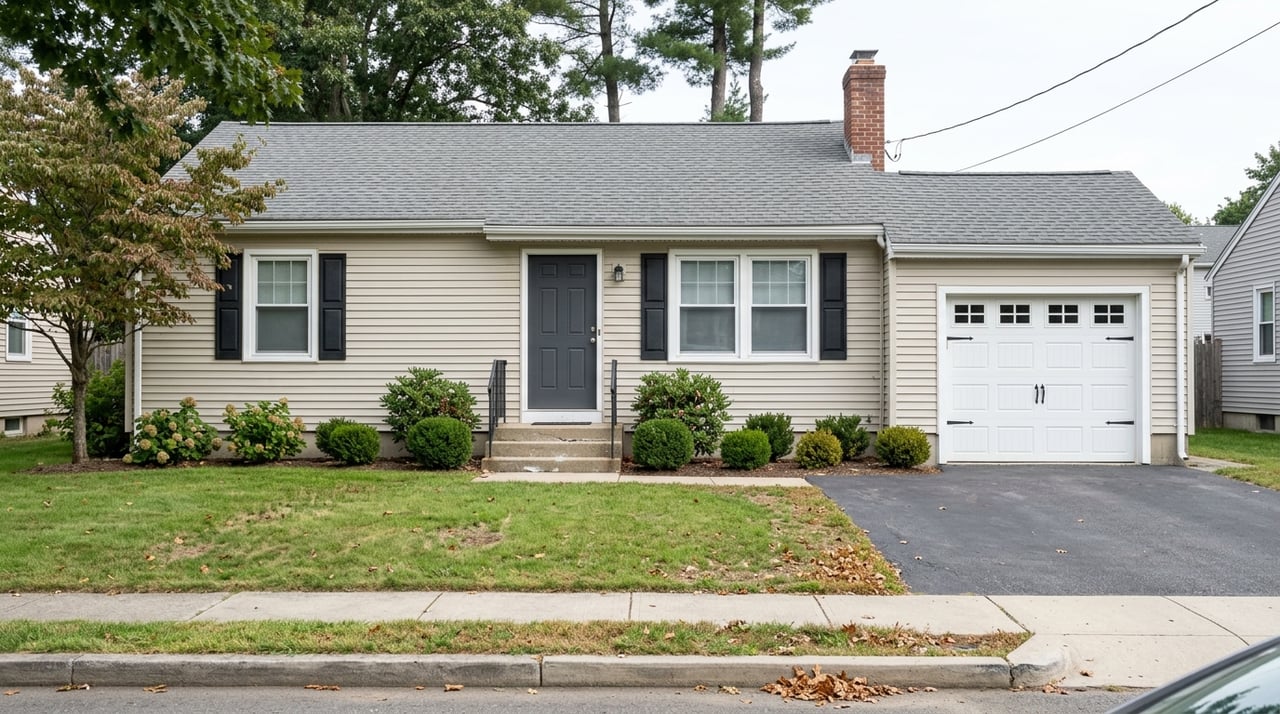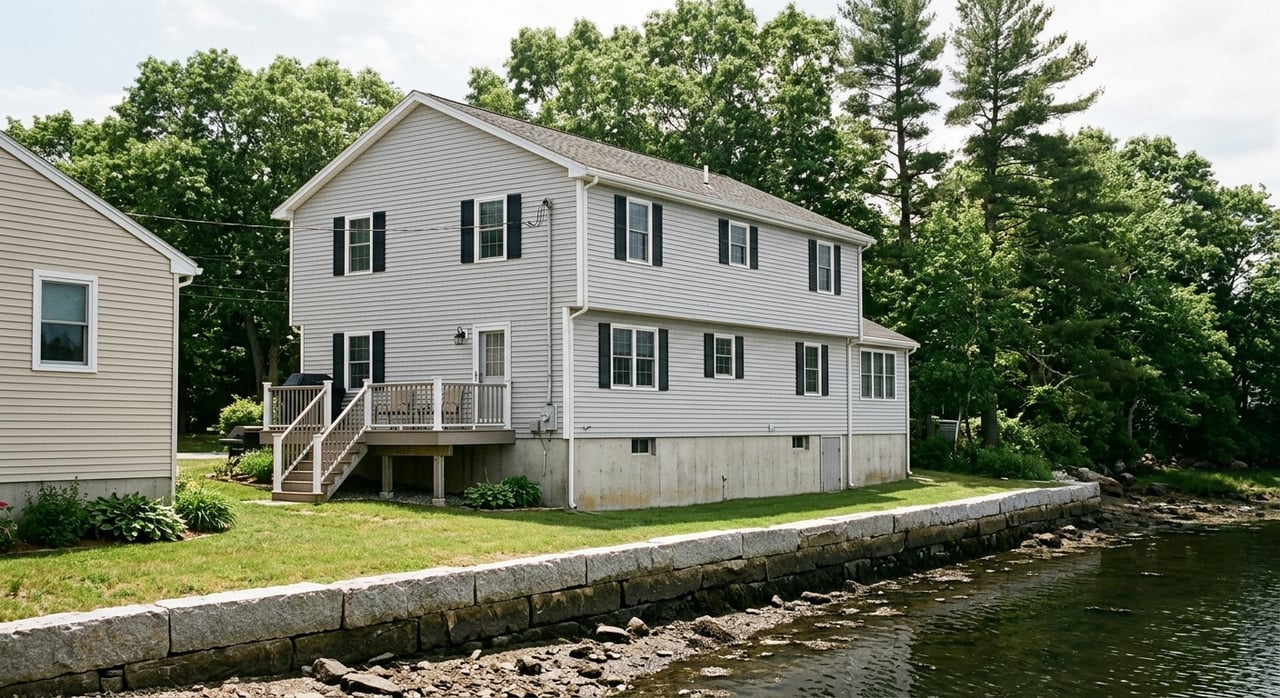
If you are drawn to Riverside in Fairfield, you are probably thinking about more than a house. You are thinking about water views, access to the shoreline, and the kind of daily lifestyle that makes coastal Connecticut feel special. The upside is real, but so is the need for careful due diligence, and this guide will help you understand what matters most before you buy. Let’s dive in.
Why shoreline living stands out
Fairfield is deeply connected to the water. Town planning materials describe Fairfield as a coastal community on the north shore of Long Island Sound, with shoreline resources that support boating, beaches, scenic value, and shorefront residential areas.
That coastal identity is not just marketing language. Fairfield’s 2024 Sustainability Plan says the town has five miles of coastline, five public beaches, one inland lake, and two marinas, which helps explain why waterfront and near-water homes continue to attract strong interest.
For buyers considering Riverside and nearby shoreline areas, this means your purchase is often about both lifestyle and location. You may be buying for views, boating access, beach proximity, or simply the long-term appeal of living near the Sound.
What waterfront buying really requires
In Riverside Fairfield, the buying story is not only about the lot, the home, or the view. It is also about flood risk, finished-floor elevation, insurance costs, permit history, and whether any shoreline improvements were properly reviewed.
That is especially important in Fairfield because shoreline development can trigger more than one layer of local review. Depending on the property, you may be dealing with floodplain rules, coastal site plan review, and sometimes wetlands permitting.
The practical takeaway is simple. You want to evaluate a waterfront home as both a lifestyle purchase and a land-use property.
Understand flood zones early
One of the first things you should ask for is the property’s FEMA flood-zone determination. Fairfield’s floodplain regulations treat FEMA Zones A, AE, and VE as special flood hazard areas, and if any portion of a structure lies within the special flood hazard area, the entire structure is treated as being in that area.
That detail can affect both compliance and cost. Fairfield also identifies Zone VE as a Coastal High Hazard Area, which makes it especially important to understand how the site and structure are positioned.
A good first step is to review both the FEMA flood maps and Connecticut’s climate-risk mapping tool. These tools serve different purposes, and together they give you a more complete picture of mapped flood exposure and property-specific climate risk.
Look beyond the map label
A flood zone tells you something important, but it does not tell you everything. The Connecticut Insurance Department notes that homeowners and renters insurance do not cover flood damage, so flood insurance is typically a separate policy.
The same state guidance also says that 25% to 40% of flood losses occur outside designated flood zones. In other words, you should not assume a lower-risk map label means no real exposure.
This is why experienced buyers focus on the full risk profile. You want to know the exact zone, but you also want to understand elevation, drainage, proximity to water, and the structure’s design.
Base Flood Elevation matters
For waterfront homes, one of the most important numbers is Base Flood Elevation, often called BFE. FEMA defines BFE as the flood level with a 1% annual chance of being equaled or exceeded in any given year.
You should also compare BFE to the home’s finished-floor height. In Fairfield’s zoning code, residential new construction and substantial improvements in Zones A and AE must place the lowest floor and associated utilities at least one foot above the base flood level.
That means finished-floor elevation is not just a construction detail. It can directly affect compliance, future improvement options, and insurance pricing.
Flood insurance is property specific
Many buyers assume flood insurance is based only on a zone label, but current pricing is more nuanced. FEMA says pricing is influenced by factors such as flood zone, location, structure age and design, elevation, distance from water, foundation type, mitigation features, and rebuild cost.
That is why a real quote matters more than a rough guess. Two homes on the same street may have very different flood insurance costs based on how they were built or improved.
It is also worth noting that the Connecticut Insurance Department says flood policies generally have a 30-day waiting period. If you are buying near the shoreline, it is smart to explore insurance options early instead of waiting until the last minute.
Ask for these documents before you offer
In a shoreline purchase, paperwork can tell you as much as the showing does. The strongest approach is to request key flood and permit documents as early as possible.
Ask for:
- The FEMA flood-zone determination
- Any existing elevation certificate
- A current flood-insurance quote
- Permit history for additions and shoreline improvements
- Records tied to docks, seawalls, bulkheads, retaining walls, or drainage work
FEMA says the elevation certificate documents elevation for floodplain compliance, insurance rating, and possible map-change requests. In a waterfront transaction, that document can be one of the clearest tools for understanding risk.
Check shoreline improvements carefully
Waterfront improvements can add utility and appeal, but they can also create compliance issues if they were not properly approved. In Fairfield, you should review permit history for decks, additions, seawalls, bulkheads, docks, retaining walls, and similar features.
This matters because Fairfield’s floodplain regulations restrict some uses in the floodplain district, and coastal site plan review applies to buildings, uses, and structures that are fully or partially within the coastal boundary. A feature that looks routine to a buyer may carry real permitting significance.
If the property has a visible shoreline structure, do not assume it is grandfathered or fully documented. Verification is part of smart waterfront buying.
Don’t ignore wetlands and drainage
If a home is near a creek, marsh, or drainage swale, you should also review inland wetlands history. Fairfield’s inland wetlands regulations require permits for regulated activities involving filling, excavating, dredging, clearing, grading, and similar changes in wetlands and watercourses.
There is another important point here. The local agency notes that not all watercourses are shown on maps, which means a clean-looking parcel can still involve wetlands-related questions.
For buyers, that can affect future plans. If you hope to expand, regrade, add drainage work, or change outdoor features, wetlands history may matter more than you expect.
Verify boating access and mooring rights
If boating is part of your reason for buying in Riverside Fairfield, confirm every access right in writing. You should verify whether dock use, mooring rights, or harbor access are deeded, licensed, or municipal.
That distinction matters in Fairfield because the Harbor Management Commission manages mooring and anchoring in Southport Harbor. If a property is marketed with boating appeal, you want to know exactly what transfers with the sale and what requires separate approval.
This is one area where assumptions can create disappointment. Clear documentation protects you.
What if the map looks wrong?
Sometimes a flood map does not seem to match actual site conditions. FEMA allows property owners to pursue a Letter of Map Amendment or Letter of Map Revision in certain cases, such as when a parcel sits on naturally higher ground or when grading has changed conditions.
That does not mean every discrepancy leads to a change, but it does mean you have a path to investigate. If the site appears inconsistent with the mapped designation, ask questions early and gather supporting records.
In a competitive market, this kind of issue is easy to overlook. It is also the kind of detail that can have lasting cost implications.
Think about resale from day one
Smart waterfront buyers also think ahead to the next buyer. In Fairfield, resale is often easier when the property has a clear flood-zone story, an elevation certificate, a current insurance quote, and organized permit records for shoreline work.
Future buyers are likely to ask practical questions. Is the home insurable? How high is the first floor? Were shoreline improvements permitted? Are there unresolved floodplain or wetlands issues?
Homes with solid documentation tend to be easier for the next buyer to understand and underwrite. That can help reduce friction when it is your turn to sell.
A practical buying strategy for Riverside Fairfield
If you are serious about buying near the water, keep your process disciplined. Coastal purchases reward buyers who slow down long enough to verify the details.
A strong strategy includes:
- Review the FEMA flood-zone determination early
- Check the property in Connecticut’s climate-risk mapping tool
- Request the elevation certificate if one exists
- Get a current flood-insurance quote before final commitment
- Review permit history for shoreline and exterior improvements
- Investigate wetlands or drainage concerns if the site is near water features
- Confirm any dock, mooring, or harbor-access rights in writing
This is where local guidance makes a difference. You want someone who can help you look past the view just enough to understand the risk, the carrying costs, and the long-term value.
Waterfront living in Fairfield can be exceptional, but the best purchases are informed purchases. If you want a clear, practical read on a shoreline property and how the details may affect value, costs, and future resale, connect with Robert L Virgulak.
FAQs
What should you check first when buying a waterfront home in Riverside Fairfield?
- Start with the FEMA flood-zone determination, any available elevation certificate, and a current flood-insurance quote so you understand risk and likely carrying costs early.
Does homeowners insurance cover flood damage in Fairfield CT?
- No. The Connecticut Insurance Department says homeowners and renters insurance do not cover flood damage, so flood insurance is usually a separate policy.
Why does finished-floor elevation matter for Fairfield waterfront homes?
- Finished-floor elevation matters because Fairfield requires residential new construction and substantial improvements in Zones A and AE to place the lowest floor and associated utilities at least one foot above base flood level.
Should you review permits for docks and seawalls in Riverside Fairfield?
- Yes. You should review permit history for docks, seawalls, bulkheads, retaining walls, decks, and additions because shoreline improvements may be subject to floodplain and coastal review.
Can a Fairfield waterfront property have wetlands issues even if maps look clear?
- Yes. Fairfield notes that not all watercourses are shown on maps, so properties near creeks, marshes, or drainage areas may still require wetlands review or have permit history worth checking.
Do mooring or boating rights automatically transfer with a shoreline home in Fairfield?
- No. You should verify whether dock use, mooring rights, or harbor access are deeded, licensed, or municipal rather than assuming they transfer with the property.