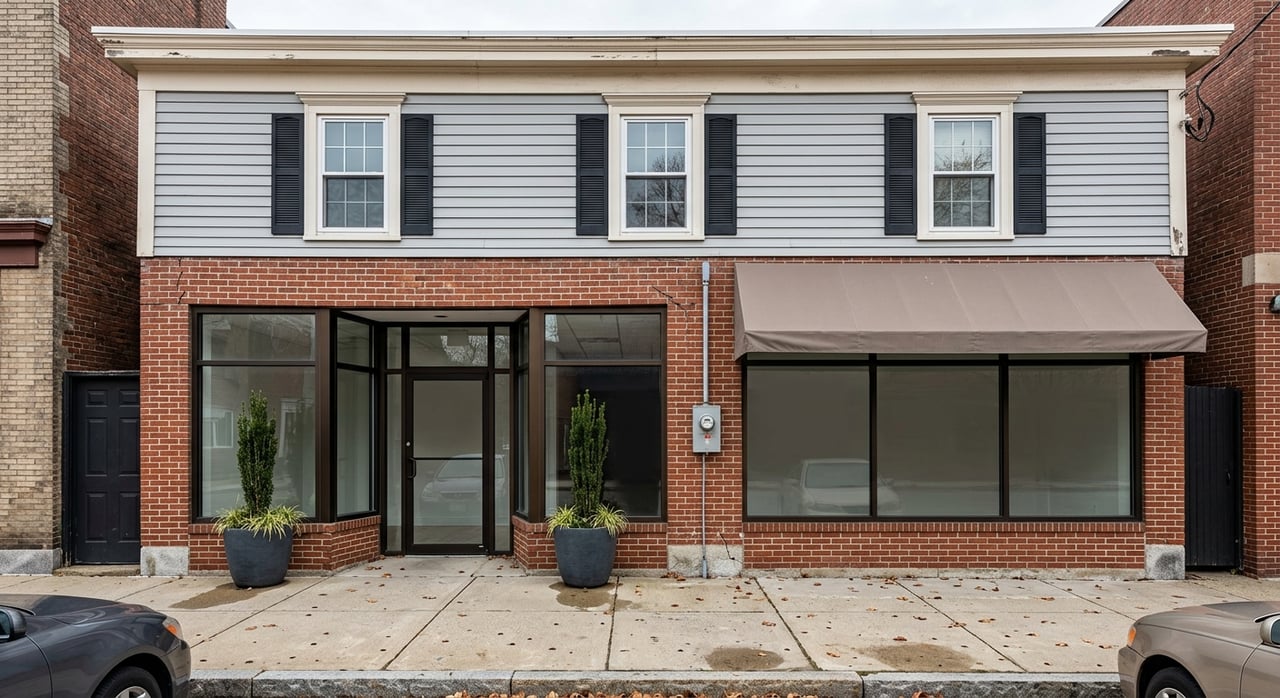
Thinking about investing in Downtown Westport commercial property? You are looking at a market that is compact, visible, and active, but it is not a place where every property performs the same way. In this part of Westport, details like parking access, frontage, lease structure, and zoning review can shape returns just as much as the purchase price. If you want to make smarter decisions as a local investor or landlord, this guide will walk you through what matters most. Let’s dive in.
Downtown Westport at a Glance
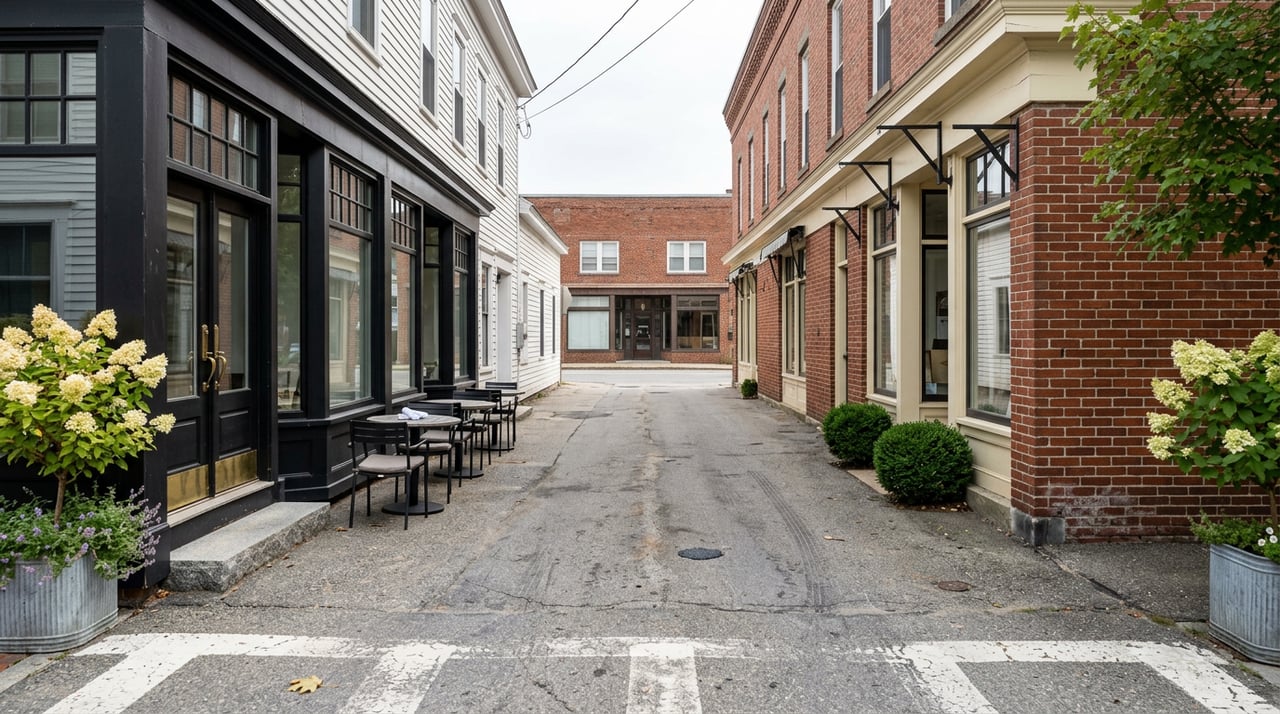
Downtown Westport is a walkable mixed-use district centered on Main Street and Church Lane. The area is supported by daily activity from the Saugatuck River corridor, the Westport Library, Levitt Pavilion, the Westport Museum for History and Culture, restaurants, shops, and public parking lots, according to the Town of Westport downtown overview.
Access is also a major part of the story. Discover Westport notes that the Saugatuck Metro-North station serves the area, with bus access on the Coastal Link route and parking in eight lots. That gives Downtown Westport a useful mix of local shopping traffic and commuter-adjacent business activity.
Westport also has a high-income consumer base. The CCM community data hub lists Westport’s 2023 median household income at $250,000 and population at 27,470. For investors, that helps explain why downtown space may appeal to discretionary retail, personal services, and professional office users that depend on local spending power.
Why Access Drives Value
In Downtown Westport, convenience matters. A great storefront or office address can lose some of its edge if customers or clients struggle to park nearby. That is why access patterns should be part of your underwriting from day one.
According to Discover Westport parking information, downtown has more than 1,500 parking spots, including 990 all-day spaces. Major lots include Baldwin, Parker Harding, Imperial Avenue, and the Jesup lots, with a mix of timed and all-day parking options.
The town has also made turnover a priority. In 2024, Westport reinstated timed parking enforcement in town-owned lots and roadways, and in 2025 reduced on-street limits on several downtown streets from three hours to two hours, while keeping town-owned lots at current three-hour and all-day options, according to the town parking enforcement update.
For investors, that means parking is not just a convenience feature. It is an operating variable that can affect customer dwell time, repeat visits, employee logistics, and even the kind of tenants your property can attract.
Peak Parking Hours Matter
The older Downtown Westport Master Plan parking study remains helpful as directional context. It found that downtown parking demand peaks in the early afternoon, around 1 to 2 p.m., and that east-side parking was approaching practical capacity at roughly 85% to 90% utilization.
Even though that is not a current vacancy count, it still points to a useful takeaway. Properties that make parking feel easier, whether through lot proximity, clearer access, or better turnover patterns, may have an advantage over similar spaces with weaker parking convenience.
Event Traffic Supports Street Activity
Downtown Westport also gets periodic boosts from local events and civic destinations. The Westport Farmers Market operates at 50 Imperial Ave. on Thursdays, and the Library and Levitt Pavilion bring additional visitors into the area.
That kind of event-driven foot traffic can support restaurants, impulse-oriented retail, and service businesses that benefit from repeat exposure. If you are evaluating a property near those activity nodes, the surrounding pattern of visits may be just as important as the square footage inside the building.
Office and Retail Demand Today
Downtown Westport is not a one-note market. Office and retail are both active, but demand is selective and highly property-specific. Investors should avoid broad assumptions and look closely at quality, location, and flexibility.
Westport’s office market has improved in recent years. The town’s 2025 Economic Outlook lists Westport office vacancy at 15.3% in 2024, down from 15.9% in 2023 and 17.8% in 2021. The same report notes that Fairfield County office vacancy was 27.6%, which puts Westport in a relatively tighter position.
That trend is reinforced by Choyce Peterson’s year-end market survey, which showed Westport availability at 11.9%, down from 12.2% a year earlier, and found that 10 of 21 surveyed Class A buildings had no available space. The message is fairly clear: better space in better locations is still competing well.
Retail Is More Asset-Specific
Retail in Downtown Westport still benefits from a strong identity and a walkable setting, but not every space will perform equally. The town’s planning documents emphasize the importance of preserving ground-floor retail and supporting an inviting, experiential downtown environment that can compete with online shopping.
At the same time, those same planning materials acknowledge that parts of the broader retail and commercial market have faced pressure. For investors, that means retail should be viewed with a sharper lens. Frontage, signage, foot traffic patterns, and the customer experience all matter.
Lease Structures You May Encounter
One of the more practical realities in Downtown Westport is that lease structures vary. This is not a market where every deal follows the same format.
Examples cited in current and recent listings near downtown include modified gross space at 320 Post Road West, 139 Main Street, and 146 to 152 Main Street, a gross lease at 1 Main Street, and a Triple Net retail listing at 125 Main Street, as summarized through Brevitas listing examples.
For you as an investor, the lesson is simple. You need to understand how operating expenses are being allocated before you compare asking rents across properties. A lower advertised rent under an NNN structure may not be cheaper in practice than a higher gross or modified gross rate.
Questions to Ask Before You Buy
When reviewing a downtown commercial asset, it helps to ask:
- What lease structure is in place today?
- Are common area costs stable or rising?
- How much flexibility do you have at rollover?
- Does the tenant profile match the property’s parking and access conditions?
- Would a different lease structure improve long-term income predictability?
These questions can help you compare properties on a more realistic basis.
Zoning and Design Review Count
In Downtown Westport, zoning is not just a background issue. It can directly affect renovation timelines, façade changes, signage decisions, upper-floor use, and redevelopment potential.
The town explains that downtown properties may fall within the Village District Overlay Zone/Westport Center, the Business Center District/Historic, and the Historic Design District. According to the Historic District Commission guidance, new construction and substantial reconstruction visible from public areas can trigger Joint Committee review.
That same guidance notes that façades along public streets and riverfronts are expected to be restored and preserved, while exterior additions, alterations, and rooftop mechanical units in the HDD are subject to HDC review and recommendation. In practical terms, appearance and street presence carry real weight in this district.
Upper-Floor Flexibility Improved
There is also some good news for mixed-use investors. Westport adopted a 2022 amendment allowing retail tenants to occupy space above the first floor in the BCD and BCD/H districts, according to the town’s text amendment record.
That change can improve flexibility for some downtown assets. If you are evaluating a building with underused upper floors, this broader retail-use option may create more leasing possibilities than older rules allowed.
Parking Is Part of Approvals
Parking is also built into the zoning and permitting conversation. Town planning materials note that mixed-use projects may use joint parking when peak demand periods do not conflict, and that a final parking management plan must be filed before zoning permits are issued, as referenced in planning and zoning materials.
That means your site plan and tenant mix need to work together. A property with decent interior space but weak parking logic may face challenges that do not show up right away in a basic rent roll analysis.
What Strong Assets Have in Common
For many local investors, the most durable Downtown Westport assets are the ones that combine several practical advantages at once. Usually, that includes pedestrian visibility, easy access, usable parking, and a clear path for leasing or repositioning.
Based on the town’s parking policies, planning framework, and leasing trends, the strongest opportunities often share these traits:
- Visible frontage on or near key downtown streets
- Convenient access to public parking lots or timed spaces
- Well-maintained façades and signage presence
- Flexible upper-floor potential where zoning allows
- Space quality that fits selective office or experiential retail demand
When one or more of these factors is missing, performance may become more tenant-dependent and less resilient over time.
A Smart Investor’s Approach
If you are considering a Downtown Westport acquisition, it helps to underwrite the asset like an operator, not just a buyer. Look past headline rent and think about how the property works day to day for tenants, employees, and customers.
You should also pay close attention to whether the space fits the current downtown pattern. Office demand appears tighter for high-quality properties, while retail performance depends more heavily on frontage, access, and experience. In both cases, the best outcomes tend to come from well-located, well-maintained space.
If you want help evaluating Downtown Westport commercial opportunities with a practical, negotiation-focused lens, connect with Robert L Virgulak. His background across residential, investment, and commercial transactions can help you assess value, flexibility, and next-step strategy with more clarity.
FAQs
What makes Downtown Westport commercial property appealing to local investors?
- Downtown Westport offers a walkable mixed-use setting, commuter access, public parking, civic destinations, and an affluent local consumer base, all of which can support demand for well-located retail, service, office, and mixed-use space.
How important is parking for Downtown Westport commercial investments?
- Parking is a major factor because downtown has timed spaces, all-day lots, and active enforcement, which can affect customer convenience, employee access, and tenant performance.
What is the current office market trend in Westport, CT?
- Westport’s office market has shown improving vacancy and availability trends, with tighter conditions than Fairfield County overall, especially for higher-quality space.
Are lease structures the same across Downtown Westport commercial properties?
- No. Downtown Westport properties may use gross, modified gross, or Triple Net lease structures depending on the asset, expenses, and tenant profile.
Do Downtown Westport properties face historic or design review requirements?
- Yes. Many downtown properties fall under zoning and design-review layers that can affect exterior work, signage, reconstruction, and visible building changes.
Can upper floors be used for retail in Downtown Westport?
- Yes. Westport adopted a 2022 amendment allowing retail tenants above the first floor in the BCD and BCD/H districts, which can improve flexibility for some mixed-use buildings.