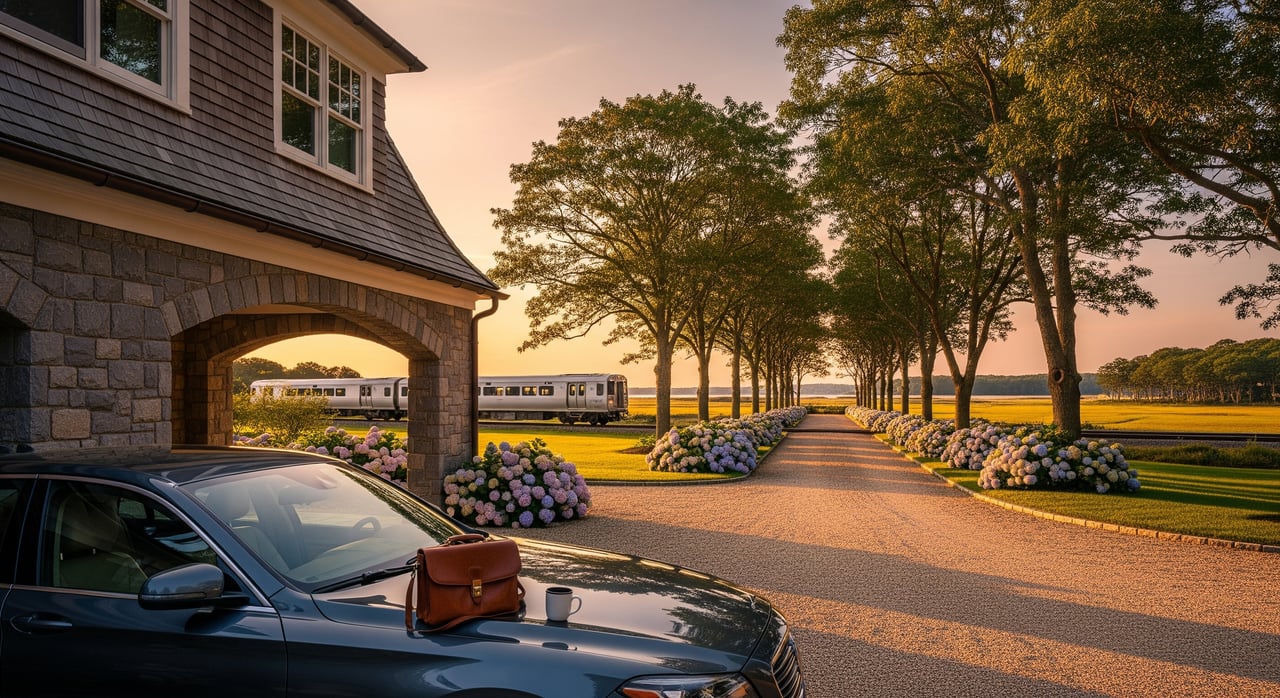
Commuting to New York from Darien can be smooth if you plan for the trains, parking, and daily timing. If you are buying in town or relocating for work, your commute will shape where you live and how your days run. This guide gives you clear steps to choose the right station, secure parking, and set realistic expectations for travel times. Let’s dive in.
Darien’s two Metro-North stations
Two New Haven Line stations serve Darien: Noroton Heights and Darien. Each offers different access, parking dynamics, and neighborhood feel. Your best fit depends on whether you will walk, bike, get dropped off, or drive and park.
Noroton Heights: what to know
Noroton Heights sits in the central-northern part of town with residential streets nearby. When evaluating this station, confirm:
- Platform access and ADA features such as ramps or elevators.
- Shelter, lighting, and seating on the platforms.
- Bike racks or secure storage if you plan to cycle.
- Efficient drop-off zones for ride-hail or family drop-offs.
- Walking routes from nearby neighborhoods, including sidewalk coverage and crossings.
Darien station: what to know
Darien station is close to the town center with shops and daily conveniences. If you prefer to run errands on your way home or grab a coffee before the train, this may be appealing. As you assess, check the same items as Noroton Heights along with:
- Proximity to retail and services you use often.
- Evening lighting on sidewalks and paths if you will walk after dark.
- Where ride-hail drivers typically stage during peak hours.
Which station should you choose?
Your choice should match your daily routine. If you plan to walk and value quick access to shops, Darien station near the center can be convenient. If you prefer quieter residential streets and easy drop-off, Noroton Heights may fit better. Many commuters simply choose the station that offers the most reliable train at their preferred time.
Parking, permits, and how it really works
Commuter parking in Darien includes resident permit lots, possible nonresident options, daily meters, and limited on-street spaces. Supply is finite, active enforcement is common, and waitlists can form depending on demand and town policy. Treat parking as a core part of your home search if you plan to drive to the station.
How to apply and what to confirm
Policies and pricing change, so always confirm current details with the Town of Darien Parking Division before you make housing decisions. Ask about:
- Required documents for a commuter permit, residency proof, and where to apply.
- Which lots serve each station and any rules unique to each lot.
- Current waitlist status and typical wait times, if any.
- Payment methods and renewal dates for permits.
Daily and guest parking
If you do not hold a permit, look for daily metered spaces and posted time limits. These can be useful for buyers touring homes or occasional commuters. Check hours of enforcement and whether daily spaces fill early during peak times.
If you cannot get a permit
Permit availability fluctuates across Fairfield County, and waits can happen. Practical alternatives include:
- Choosing a home within walking or biking distance of your preferred station.
- Using ride-hail or family drop-off and pickup.
- Parking in larger commuter lots in nearby towns such as Stamford or Norwalk if allowed by local rules.
- Carpooling with neighbors and rotating drop-offs.
Build the cost and time of these alternatives into your decision so you do not face surprises after closing.
Commute times, trains, and tickets
Train travel time to Grand Central varies by train and time of day. Peak service usually offers more express and semi-express options that can run in or around an hour from Darien. Off-peak and local trains make more stops and take longer. Always review current timetables for the specific arrival and departure windows you need.
Peak vs off-peak: what changes
- Peak hours provide more frequent trains and faster patterns with fewer stops.
- Off-peak has fewer direct options and more local service.
- Reverse or midday commutes may require extra time or connections.
Tickets and the MTA eTix app
Metro-North offers single-ride, ten-trip, and monthly tickets. Monthly passes are typically the most cost-effective for daily commuters. Many riders use the MTA eTix app for paperless purchases and quick activation. Fare zones and pricing can change, so review current fare information before you set a budget.
Reliability and planning buffers
Weather, track work, and occasional delays are part of rail commuting. Build a small buffer into important arrival times and check real-time service alerts before you leave home. Set push notifications so you can adjust if there is a service change.
Neighborhood choices shaped by the commute
Your commuting style will influence where you live in Darien and what type of home you choose.
- Walkability to a station: Many buyers target homes within a 5 to 20 minute walk of Darien or Noroton Heights. This reduces reliance on parking and can simplify mornings.
- Parking availability: If you plan to drive, a dependable parking plan is essential. Lack of a permit can add time and stress.
- Price and proximity: Studies show homes near commuter rail often command a premium. Compare local comps within walking distance to those farther out to understand value tradeoffs.
- Housing type: Condos and smaller homes near stations tend to appeal to commuters who value short walks. Single-family homes farther from the tracks often offer larger lots in exchange for drive-and-park routines.
Tradeoffs to consider
- Convenience vs quiet: Living near a station brings shorter walks and easy retail access but more foot traffic and train noise.
- Lot size vs time: Larger yards and privacy often sit farther from the platforms, which can mean a longer door-to-door commute.
- Resale considerations: Homes close to stations can be attractive to future buyers who prioritize commuting. Others may prefer quieter settings.
Micro-areas within Darien
- Near Darien station: Town center access is a draw for daily errands and dining. You can combine commute stops with lifestyle needs.
- Near Noroton Heights: The area is more residential in feel, with different walkability and parking dynamics that many commuters appreciate.
- Beyond Darien: Some buyers who cannot secure a town permit choose homes near larger lots in nearby municipalities or along bus routes that reach the stations.
Step-by-step planning checklist
Before house hunting
- Contact the Town of Darien Parking Division to confirm permit rules, lot maps, and waitlist status for both stations.
- Review New Haven Line timetables for trains that meet your preferred arrival and departure windows.
- Estimate door-to-door time, including your walk or drive to the station, platform wait, train ride, and last-mile travel in Manhattan.
While touring homes
- Visit during morning and evening peaks to see platform crowding, train frequency, and parking occupancy.
- Walk the route from the home to the station to check sidewalks, lighting, stairs, and crossings.
- Ask sellers or listing agents where they park, how they reached the station, and any challenges they faced.
Before signing an offer
- Confirm your parking plan. If you lack a permit, price the time and cost of alternatives such as ride-hail or parking in a neighboring town.
- Factor commute tradeoffs into your offer strategy, including any price premium for station proximity.
- Consider how your work schedule or remote days may change the value of a shorter commute.
After moving in
- Apply early for commuter permits if eligible and set reminders for renewals.
- Set up MTA eTix and service alerts on your phone.
- Test backup options such as biking, carpools, or alternative lots so you have flexibility when needed.
Sample door-to-door planning
Use this simple framework to plan realistic mornings and evenings:
- Access time: Walk, bike, drop-off, or parking time at your station.
- Platform time: Buffer for ticket checks and train arrival.
- Train time: Peak express options can be around an hour to Grand Central from Darien. Local and off-peak trains are longer.
- Manhattan last mile: Subway or walk time to your office, plus an arrival buffer for meetings.
Build your routine with a small cushion so minor delays do not disrupt your schedule.
Make your move with confidence
A great Darien commute starts with the right match between station, parking plan, and home. If you want a clear, practical strategy before you write an offer, connect with a local advisor who understands how commuting shapes daily life and resale value. For guidance on neighborhoods, parking options, and the best train access for your lifestyle, reach out to Robert L Virgulak for a straightforward plan.
FAQs
Which Darien station is faster to Grand Central?
- It depends on the train you catch. Peak express options can be faster, and some express trains stop at one station and not the other. Check current schedules for your target times.
Are there long waitlists for Darien commuter permits?
- Permit availability changes. Many Fairfield County towns see limited supply and periodic waitlists. Contact the Town of Darien Parking Division for the latest status.
Is driving to Manhattan from Darien practical daily?
- It is usually less practical due to traffic, tolls, and parking costs. Rail is the most common and convenient option for Darien-to-NYC commuters.
Can I use one monthly ticket on any train?
- Metro-North monthly tickets are designed for frequent riders. Rules and fare zones apply, so review current fare information to ensure your ticket matches your travel pattern.
What are my options if I cannot get a permit?
- Consider buying within walking distance, using ride-hail or carpooling, parking in nearby towns where allowed, biking to the station, or mixing modes until a permit becomes available.