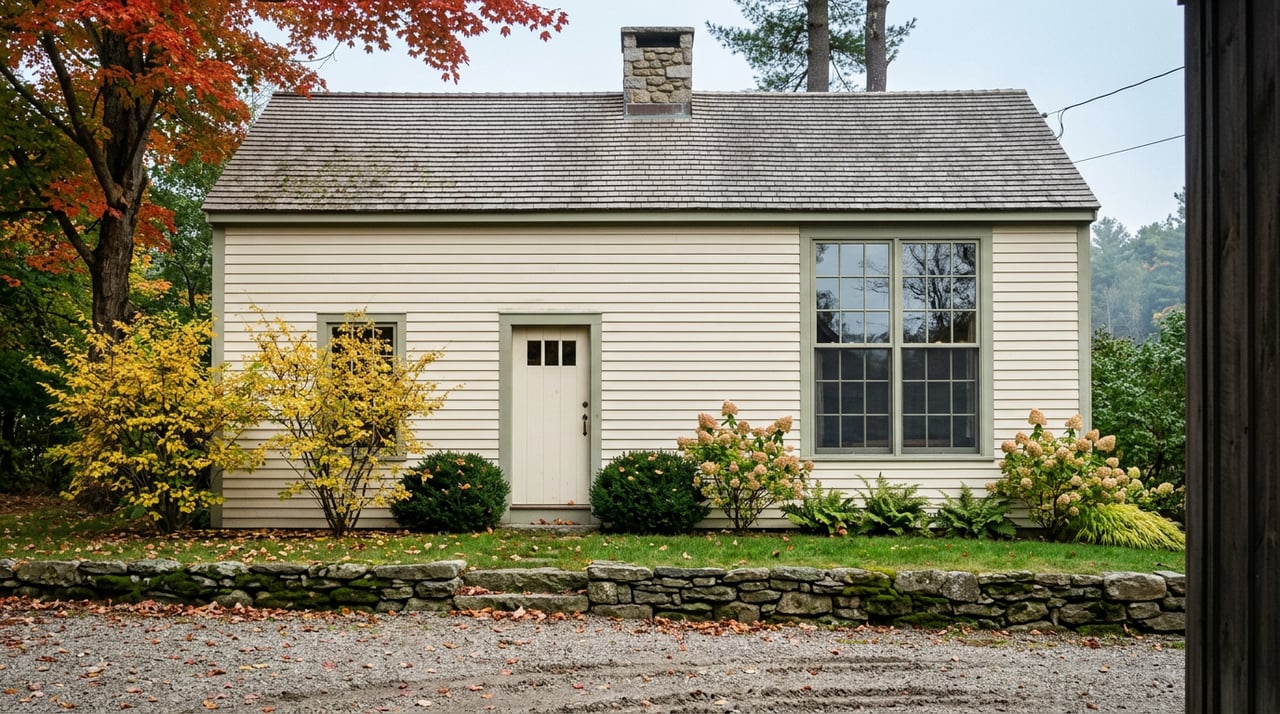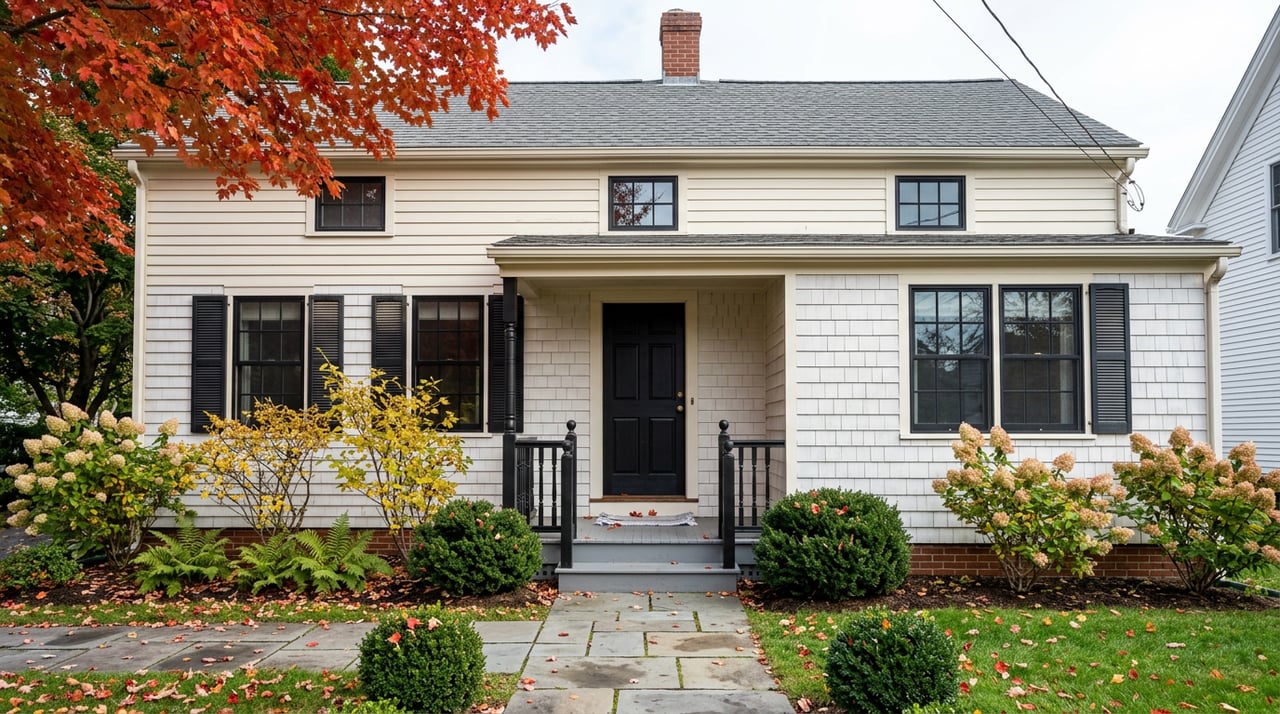
If you are choosing between a brand-new home and an older resale property in Stamford, the right answer is not always obvious. You may be weighing cleaner finishes and lower maintenance against more space, more flexibility, or a different price point. This guide breaks down how new construction and resale homes compare in Stamford so you can make a more confident decision before you buy. Let’s dive in.
Stamford prices set the stage
Before you compare features, it helps to understand Stamford’s current pricing range. Over the three months ending May 2026, Redfin reported Stamford’s median sale price across all home types at $712,074, with homes selling in about 31 days.
The condo market sits at a different price point. Redfin shows 81 condos for sale in Stamford at a median listing price of $400,000, and its condo data says most homes for sale stay on the market about 28 days and receive around 5 offers.
Prices also vary widely by area and property type. In the same recent period, Harbor Point posted a median sale price of $620,000, while North Stamford was about $1.31 million. That range matters because your choice between new construction and resale often depends on where in Stamford you want to live and what type of property fits your budget.
New construction offers more predictability
In Stamford, one of the biggest advantages of new construction is documentation. The city requires a Certificate of Occupancy for buildings erected or altered after October 1, 1970 before they can be occupied, and that process involves final inspections and closeout documents.
For you as a buyer, that can create a clearer paper trail. Stamford also maintains searchable records for permits, Certificates of Occupancy, and certificates of completion, which makes it easier to confirm the status of a newly built home or recently delivered condo.
That does not mean you should skip due diligence. It does mean newer properties often come with a more straightforward review process when you want to confirm that the work was properly permitted and finalized.
Energy performance can be a real plus
A newly built home or condo may also appeal to you if lower utility costs and fewer early upgrades are high priorities. According to ENERGY STAR, certified new homes and apartments are designed and constructed to exceed minimum energy code requirements by at least 10 percent.
ENERGY STAR also says certified homes can deliver energy savings up to 30 percent compared with typical new homes. In practical terms, that can mean more predictable utility performance and less pressure to tackle insulation, air sealing, or system upgrades right after closing.
Recently built condos may reduce early maintenance
Many buyers looking at newer Stamford housing are really comparing recently built condos with older detached homes. That matters because the ownership structure changes your day-to-day responsibilities.
Connecticut’s Department of Consumer Protection explains that condo owners pay the association for upkeep of common areas, while ownership rights and responsibilities are defined through the declaration, bylaws, and resale documents. If you want a home that may require less direct exterior maintenance from you personally, a condo can be appealing.
Resale homes offer flexibility and character
Resale homes, especially detached single-family properties, often attract buyers who want more control. If you want to renovate over time, personalize the property, or avoid some association rules, an older resale home may be a better fit.
Connecticut DCP notes the contrast clearly. Homeowners are responsible for upkeep of the house and the property it sits on, while condo owners pay an association for common-area maintenance. For some buyers, that extra responsibility is worth it because it comes with more autonomy.
In Stamford, resale homes can also place you in a wider mix of established housing stock. Depending on the area, that may mean more lot space, a different layout, or renovation potential that newer inventory does not offer.
Older homes need closer inspection
With older homes, the tradeoff is usually more uncertainty around systems, alterations, and future repairs. Stamford says residential structures built before the state building code was adopted in 1971 must comply with the city’s Housing Standards chapter and the Connecticut State Fire Safety Code.
The city also treats structures erected before October 1, 1970 as existing buildings. That makes permit history, undocumented updates, and the age of major systems especially important when you evaluate a resale property.
This is where a careful review can protect you. If an older home has had additions, finished lower levels, or major renovations over time, you will want to verify what was approved and what was completed.
Efficiency upgrades may come later
Another common issue with older Stamford homes is energy performance. Eversource says its Connecticut Home Energy Solutions program may use a two-visit model for homes built before 1985 when barriers such as knob-and-tube wiring, mold, or asbestos are suspected.
The program offers assessments, on-the-spot improvements, rebates, incentives, and average annual energy savings of $70 to $100 from services valued at about $1,000. For you, the takeaway is simple: a lower purchase price on an older home may still come with follow-on costs for insulation, air sealing, or mechanical improvements after closing.
Carrying costs matter as much as price
In Stamford, your monthly ownership cost is not just about the mortgage. Property taxes can vary by district, so two homes with similar values may not carry the same annual tax bill.
The city says assessments represent 70% of estimated fair market value, and Stamford has four geographic taxing districts. For FY 2026-2027, the mill rates are 25.14 for District A, 24.66 for District B, 24.31 for District C, and 24.72 for District C/S.
That is why comparing homes only by list price can be misleading. Whether you are looking at a new condo or an older single-family home, estimating taxes by district should be part of your side-by-side comparison.
Condo buyers need a document review
If your new construction versus resale decision includes condos, the unit itself is only part of the purchase. Connecticut DCP recommends obtaining and reviewing the declaration, bylaws, rules, recent budget, and meeting minutes before you buy.
The agency also notes that resale documents should show monthly common charges, unpaid charges, reserve balances, planned capital spending, delinquent owners, and foreclosure activity. Those details can have a real effect on affordability and future costs.
A newer condo may look move-in ready, but you still want to know how the association is structured and whether the budget supports the building over time. A lower-maintenance lifestyle only works well when the community documents and finances are in solid shape.
A simple Stamford comparison
Here is a practical way to think about the tradeoffs:
| Factor | New Construction or Newer Condo | Resale or Older Home |
|---|---|---|
| Permit history | Often easier to verify with newer records, final inspections, and CO status | May require deeper review of older permits and alterations |
| Energy performance | Often stronger, especially if certified | May need upgrades after closing |
| Maintenance | Usually lower in the near term | Often less predictable |
| Ownership flexibility | May come with condo rules or builder constraints | Usually more freedom to renovate and manage property |
| Ongoing responsibilities | Condo owners often share common-area upkeep through association fees | Owners handle house and property upkeep directly |
| Budget planning | Can feel more predictable early on | May require a larger repair reserve |
What to verify before you buy
No matter which path you prefer, a few checks can help you make a smarter Stamford purchase.
For new construction
- Confirm the permit file.
- Verify final inspection status.
- Request the Certificate of Occupancy before closing.
- Review Stamford building records if the home or condo is newly built or recently renovated.
For resale homes
- Review permit history for additions or major updates.
- Ask about the age of major systems.
- Budget for possible efficiency improvements and maintenance.
- Pay close attention to any signs of undocumented work.
For condos
- Obtain the declaration, bylaws, and rules.
- Review the recent budget and meeting minutes.
- Confirm monthly common charges.
- Check reserves, special assessments, and upcoming capital projects.
For all Stamford properties
- Confirm the current tax district.
- Estimate taxes using the applicable mill rate.
- Ask whether the home or building has been enrolled in an energy audit or retrofit program.
- Compare total carrying costs, not just the purchase price.
Which option fits your goals?
If you value convenience, energy performance, and fewer near-term repair concerns, a new build or newer condo may be the better match. If you value renovation freedom, more direct control, or the upside that can come with older housing stock, a resale home may offer more opportunity.
In Stamford, neither option is automatically better. The stronger choice is the one that matches your budget, your tolerance for maintenance, and how much predictability you want in the first few years of ownership.
If you want help weighing a newer condo against an older single-family home in Stamford, Robert L Virgulak can help you compare pricing, carrying costs, and property-specific risks so you can move forward with clarity.
FAQs
What is the main benefit of new construction homes in Stamford?
- New construction in Stamford often offers clearer permit and occupancy documentation, stronger energy performance, and less near-term maintenance exposure.
What should buyers check before purchasing a resale home in Stamford?
- Buyers should review permit history, confirm the age of major systems, look closely at past alterations, and budget for possible repairs or efficiency upgrades.
How do Stamford property taxes affect new construction versus resale decisions?
- Stamford property taxes can vary by taxing district, so you should estimate carrying costs based on the home’s district mill rate, not just the purchase price.
What condo documents should buyers review in Stamford?
- Buyers should review the declaration, bylaws, rules, recent budget, meeting minutes, monthly common charges, reserve information, and any planned capital spending or special assessments.
Are older Stamford homes more likely to need energy upgrades?
- Older homes can be more likely to need follow-on improvements such as insulation, air sealing, or mechanical updates, especially when systems or conditions make efficiency work more complex.